

Consumers are moving beyond generic “night formulas” and looking for products aligned with their biological clock. Chrononutrition gives formulators a science-backed framework to design sleep SKUs that work with circadian rhythms.
Within this framework, pistachio extract stands out as a rare, food-derived source of concentrated natural melatonin. Positioned correctly, a branded ingredient like Piacio® can anchor differentiated, circadian-supportive SKUs across multiple formats.
Understanding chrononutrition and circadian health
Chrononutrition explores how meal timing, frequency, and distribution influence circadian rhythms and metabolic health. It focuses on when people eat, not just what they eat, and how this interacts with endogenous clock systems.
Human physiology follows a roughly 24‑hour cycle, driven by a master clock in the suprachiasmatic nucleus. Peripheral clocks in organs like liver and gut also respond strongly to feeding cues, including meal timing and fasting windows.
Misaligned eating patterns can disturb hormonal rhythms, metabolic pathways, and sleep quality. Late, irregular meals and extended eating windows are increasingly associated with circadian disruption and downstream health risks.
Why timing matters for sleep formulations
Sleep regulation depends heavily on melatonin, cortisol, and body temperature rhythms. When feeding cues occur at biologically “wrong” times, these rhythms can drift, reducing sleep quality and consistency.
Population data show that later meal timing often correlates with poorer subjective sleep quality. More frequent meals, long eating windows, and late first or last meals link with shorter, less restorative sleep.
Other work reports that unfavorable chrononutrition patterns can shift melatonin phase and worsen sleep quality. Evening eating behaviors, especially very late dinners or heavy night snacks, are also associated with insomnia symptoms.
For product developers, this evidence reframes sleep SKUs around “when to dose” as much as “what to dose.” Dose timing, frequency, and positioning relative to last caloric intake become key levers in product design.
Pistachio as a natural melatonin source
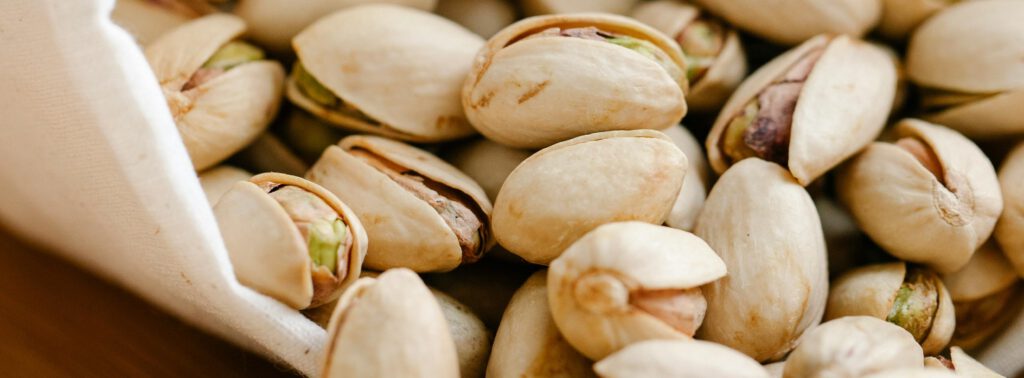
Pistachios are unusually rich in phytomelatonin compared with most other plant foods. Analyses of pistachio kernels report melatonin levels much higher than those found in typical fruits, vegetables, and grains.
Some investigations describe pistachio cultivars containing very high melatonin concentrations per gram of nut material. These levels support meaningful melatonin intakes from realistic serving sizes of pistachios or concentrated extracts.
A research collaboration on Pistacia vera extract reported around 5 milligrams of melatonin per gram of extract. The authors suggested that 0.5 to 1 gram of such extract can deliver 2 to 5 milligrams of melatonin.
In receptor studies, Pistacia vera extract activated melatonin receptors with potency comparable to exogenous melatonin. Additional components in the extract appeared to potentiate melatonin signaling, suggesting synergistic effects beyond pure hormone content.
Preclinical work using melatonin-standardized pistachio extract showed sedative, sleep-enhancing activity. Doses improved sleep latency and duration in animal models, supporting its development as a sleep support ingredient.
This body of evidence positions pistachio extract as a natural chronobiotic, not only a generic antioxidant nut ingredient. For B2B brands, that allows precise circadian health claims tied to melatonin timing and receptor engagement.
From melatonin timing to chrononutrition concepts
Melatonin secretion normally rises in the evening, peaks during the night, and falls toward morning. Exposure to light at night, shift work, and late meals can delay this profile, creating circadian misalignment.
Chrononutrition research shows that late eating, especially near habitual sleep onset, is often associated with poor sleep metrics. Studies have linked late dinners and evening snacking with reduced sleep duration and more insomnia complaints.
However, the relationship is nuanced, depending on what is eaten and how far from mid‑sleep the last meal occurs. Some analyses suggest that dinners earlier in the evening, several hours before mid‑sleep, support better sleep outcomes.
These insights create clear product opportunities anchored in timing guidance, not only ingredients. Brands can develop targeted formats for evening use, early‑night use, and even shift-worker windows, backed by chrononutrition data.
Pistachio extract, with standardized melatonin levels, fits naturally into these time-specific concepts. Formulators can specify dosage windows relative to bedtime or last meal, aligning label language with published chrononutrition patterns.
Positioning Piacio® within chrononutrition
Within a chrononutrition framework, Piacio® can be framed as a “circadian-aligned” melatonin source rather than just a sleep aid. Messaging can link its natural melatonin content with specific dose timing around evening meals or pre‑bed routines.
Key positioning angles include several concepts:
- Natural melatonin from whole-food origin, standardized and traceable, versus isolated synthetic hormone.
- A food-forward, label-friendly option that supports sleep while fitting within functional snacking and beverage concepts.
- A tool to help “nudge” the circadian system through gently timed melatonin exposure, not massive pharmacologic doses.
Because pistachio extract activates melatonin receptors effectively, claims can reference receptor-level interaction. Supportive preclinical data on sleep parameters allows stronger narratives about sleep onset and duration.
For B2B partners, Piacio® can sit at the intersection of sleep, stress, metabolic health, and evening nutrition. That makes it relevant not only for classic sleep capsules, but also for night-time recovery and beauty-from-within lines.
Time-specific dosing strategies
Chrononutrition practice often recommends concentrating energy intake earlier in the active phase. Evidence links longer eating windows and late last meals with lower melatonin output and poorer sleep quality.
Brand owners can translate this into simple product instructions centered on timing:
- Encourage consumers to finish main dinner several hours before bedtime, when feasible.
- Recommend Piacio®-containing products between dinner and bedtime, ideally within a consistent nightly window.
- Avoid pairing Piacio® SKUs with very heavy, sugar-rich late snacks that may impair sleep quality.
One study suggested that an early evening eating schedule was associated with better sleep outcomes. Another analysis reported that specific evening meal timing and content influenced sleep latency measures.
By aligning dosing instructions with these insights, Piacio® products can speak credibly about “clock-considered” usage. This supports differentiation from generic melatonin gummies that ignore meal timing or chronotype considerations.
Evening snack concepts with pistachio extract
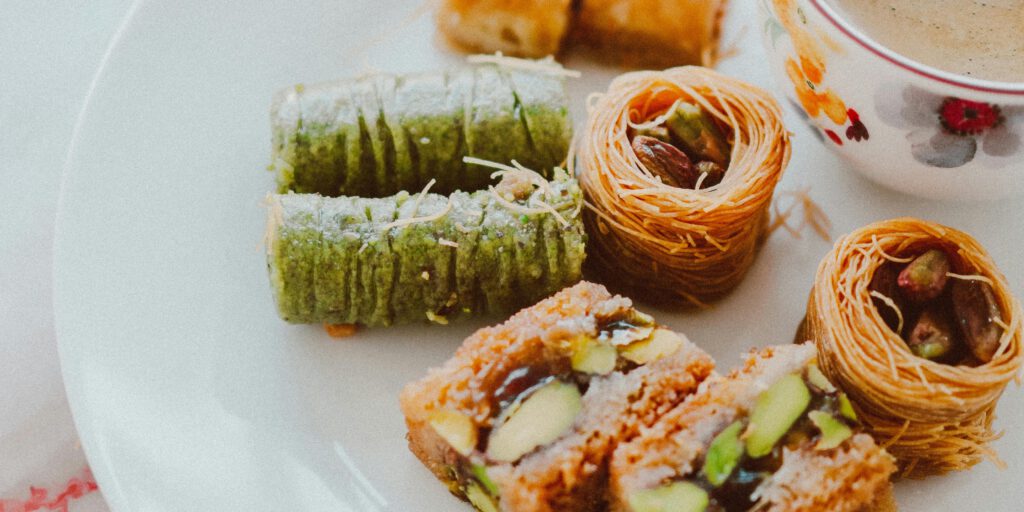
Evening snacking is a major behavioral driver of circadian disruption and excess energy intake. Night-time snacking patterns have been linked with significantly reduced sleep duration and poorer perceived sleep quality.
Rather than fight the evening snacking habit, brands can redesign it using circadian-supportive formats. Piacio® allows “smarter snack” concepts that deliver melatonin within a controlled energy and macronutrient envelope.
Potential applications include several platforms:
- Low-sugar bites or bars deliver pistachio extract alongside protein and fiber, for satiety without heavy late calories.
- Warm evening beverages, like cocoa or herbal blends, fortified with Piacio® for a consistent melatonin dose.
- Spoonable formats, such as high-protein puddings or yogurts, designed for the two-hour pre‑bed window.
Position these SKUs as “evening wind-down nutrition,” with clear guidance about serving size and timing. Ensure formulations avoid stimulants and large simple sugar loads that could counteract sleep benefits.
Where regulations allow, claims can emphasize support for sleep onset and quality when consumed at recommended times. Back-of-pack storytelling can explain how aligning snacks with internal clocks makes typical evening routines more restorative.
Capsule, gummy, and shot formats
Traditional supplement formats remain important for consumers seeking predictable dosing and minimal calories. Piacio® readily fits into capsules, tablets, gummies, and ready-to-drink “sleep shots” designed around chrononutrition principles.
For capsules and tablets, Piacio® can be combined with gentle co-factors like magnesium, L‑theanine, or lemon balm. Labeling can recommend intake 30 to 60 minutes before bedtime, separated from heavy meals where possible.
Gummies and shots should consider sugar content and timing more carefully. Lower sugar formulations, possibly using polyols or fiber, better match a circadian-supportive narrative.
Time-specific guidance becomes the differentiator:
- “Use after dinner, not with a large late meal.”
- “Consume at the same time each night to support stable circadian patterns.”
- “Avoid combining with caffeine-containing beverages after early evening.”
These details translate complex chronobiology into intuitive usage rules, building user trust and compliance. Over time, consistent timing may enhance perceived effectiveness and repeat purchase behavior.
Chrononutrition-informed sleep SKU portfolio
Instead of one generic sleep product, brands can architect a tiered, circadian-informed portfolio. Piacio® can serve as the through-line ingredient connecting multiple time-tailored SKUs.
A simple framework could include several segments:
- “Evening routine” products tied to dinner and the first wind-down phase.
- “Pre‑sleep” products taken within an hour of lights out, emphasizing sleep onset support.
- “Shift support” products tailored to irregular schedules and non-traditional sleep windows.
For each segment, adjust Piacio® dose, matrix, and co‑actives:
- Higher-protein matrices for evening snacks, to manage satiety and glucose responses.
- Calorie-light formats for late pre‑bed dosing, minimizing gastrointestinal load.
- Adaptogens or stress-support botanicals for shift-worker SKUs facing high cortisol exposure.
This architecture lets retailers merchandise a “circadian shelf” rather than a single SKU. Piacio®’s standardized melatonin and natural origin strengthen the unifying story across the range.
Labeling, claims, and education
Chrononutrition is still unfamiliar for many consumers, so educational framing matters. Claims should remain simple, while secondary content can unpack melatonin timing and meal patterns.
On-pack language might emphasize themes like “supports natural sleep-wake rhythms when used at consistent evening times.” Digital assets can deepen the explanation, referencing data linking meal timing with sleep quality.
Technical materials for healthcare professionals and retail partners can cite human chrononutrition and melatonin studies. These materials should highlight pistachio extract data on melatonin content, receptor activation, and sleep parameters.
Because melatonin regulations differ widely, brands must tailor claims by market. Some regions treat melatonin as a supplement, others as a medicine, and natural sources may receive different scrutiny.
Nonetheless, messaging around “evening use,” “consistent timing,” and “routine support” is generally non-therapeutic and flexible. Piacio®’s identity as a food-derived extract can also support clean-label, plant-based narratives.
Practical formulation considerations
Formulating with pistachio extract requires attention to stability, sensory attributes, and dose accuracy. Melatonin can degrade under light and heat, so protection through encapsulation or appropriate packaging is valuable.
Flavor impact depends on the extract carrier and concentration, especially in beverages and snacks. Masking strategies and complementary flavors, like cocoa or nutty notes, can make the experience more indulgent.
Because chrononutrition emphasizes long-term routines, palatability and ease of compliance are essential. Consumers will not maintain a nightly schedule with products that feel medicinal or heavy.
Brands should also evaluate interactions with macronutrients and co‑actives within the desired dosing window. For example, high-fat, very late meals might slow gastric emptying and alter perceived onset timing.
Stability studies under real-world conditions, including typical evening storage and use, can inform shelf-life claims. For Piacio®, validating melatonin content over shelf life strengthens both claims and QA documentation.
How to brief your next Piacio®-based chrononutrition SKU
When briefing a new product, R&D and marketing teams can align around clear chrononutrition parameters. Start with the target consumer, intended use window, and desired melatonin dose range from Piacio®.
Key questions include several points:
- What is the primary usage moment relative to dinner and bedtime?
- Should the product feel like a snack, a supplement, or a ritual beverage?
- How much energy, sugar, and protein is appropriate for that specific window?
- Which co‑actives support the same chronobiological objective without adding stimulant load?
From there, develop claims and education that explicitly reference consistent timing and evening patterns. Align every touchpoint, from packaging to retail training, around “circadian-considered” usage.
This approach helps Piacio® SKUs stand out in a crowded sleep category. Rather than another generic melatonin product, they become tools to help reset and support daily rhythms.
Explore Piacio® for circadian-focused sleep innovation
Piacio® gives your brand access to a melatonin-rich pistachio extract aligned with emerging chrononutrition science. It allows you to design SKUs that respect both dose timing and consumer behavior across evening snacks and supplements.
Partnering around Piacio®, your team can build circadian-friendly capsules, gummies, shots, and functional snacks with strong differentiation. Reach out to discuss standardized melatonin specifications, suitable formats, and chrononutrition-supported positioning for your next sleep launch.
References
Costa, C. G. A. D. C., et al. (2023). The role of chrononutrition in metabolism disorders. Research, Society and Development, 12(7). https://rsdjournal.org/rsd/article/view/42105
Flanagan, A., et al. (2021). Chrono-nutrition: From molecular and neuronal mechanisms to human epidemiology and timed feeding trials. Journal of Neurochemistry. https://onlinelibrary.wiley.com/doi/10.1111/jnc.15246
Giltelin, E. N. F., et al. (2025). A cross-sectional multifactorial analysis of chrononutrition. Appetite. https://www.sciencedirect.com/science/article/pii/S0001691825012132
Jockers, R., et al. (2023). Pistacia vera extract as a naturally rich source of melatonin and melatonin receptor activator. Institut Cochin report. https://institutcochin.fr/en/news/pistachia-vera-naturally-rich-source-melatonin-sleep-hormone-mammals
Losso, J. N., et al. (2019). Melatonin content of American-grown pistachios. Press communication with analytical data. https://americanpistachios.org/about-us/pistachio-power-unshelled/press-releases/study-finds-american-grown-pistachios-contain
Teoh, A. N., et al. (2021). Associations between chrononutrition with sleep quality and melatonin rhythm during pregnancy. Nutrients. https://pmc.ncbi.nlm.nih.gov/articles/PMC8180837/
Teoh, A. N., et al. (2023). Chrononutrition is associated with melatonin and cortisol rhythm during pregnancy. Frontiers in Nutrition. https://www.frontiersin.org/journals/nutrition/articles/10.3389/fnut.2022.1078086/full
Xie, Y., et al. (2024). Association between meal timing and sleep quality: A chrono-nutrition approach. PLOS ONE. https://journals.plos.org/plosone/article?id=10.1371%2Fjournal.pone.0308172
Yamada, T., et al. (2024). Association of evening eating with sleep quality and insomnia indicators. Sleep Medicine.
Zhang, H., et al. (2025). Disturbance in chrononutrition and its influence on body weight and sleep quality. Chronobiology in Medicine. https://www.chronobiologyinmedicine.org/journal/view.php?number=160
Pistacia vera extract potentiates the effect of melatonin on human receptors and cell signaling. (2023). Scientific Reports. https://pmc.ncbi.nlm.nih.gov/articles/PMC10386454/
Evaluation of pistachio extract standardized to 1% melatonin on sleep parameters in animal models. (2021). Pharmacognosy Research. https://www.phcogres.com/article/2025/17/2/105530pres20252094
Natural melatonin from pistachio extract: Improved sleep and wellness. (2024). Botanic Healthcare technical article. https://www.botanichealthcare.net/news-and-blog/natural-melatonin-from-pistachio-extract-improved-sleep-and-wellness.html
Do pistachios really contain melatonin. (2021). Healthline, scientific overview.
Elucidating the chrononutrition patterns and sleep quality among adults. (2025). Scientific Reports. https://www.nature.com/articles/s41598-025-92628-y
Impact of circadian meal timing on cardiovascular health. (2025). Scripta Medica. Chrono-nutrition and sleep: Lessons from the temporal feature of eating behavior. (2024). Sleep Medicine Reviews. https://www.sciencedirect.com/science/article/pii/S1087079224000571
Leave a Reply