

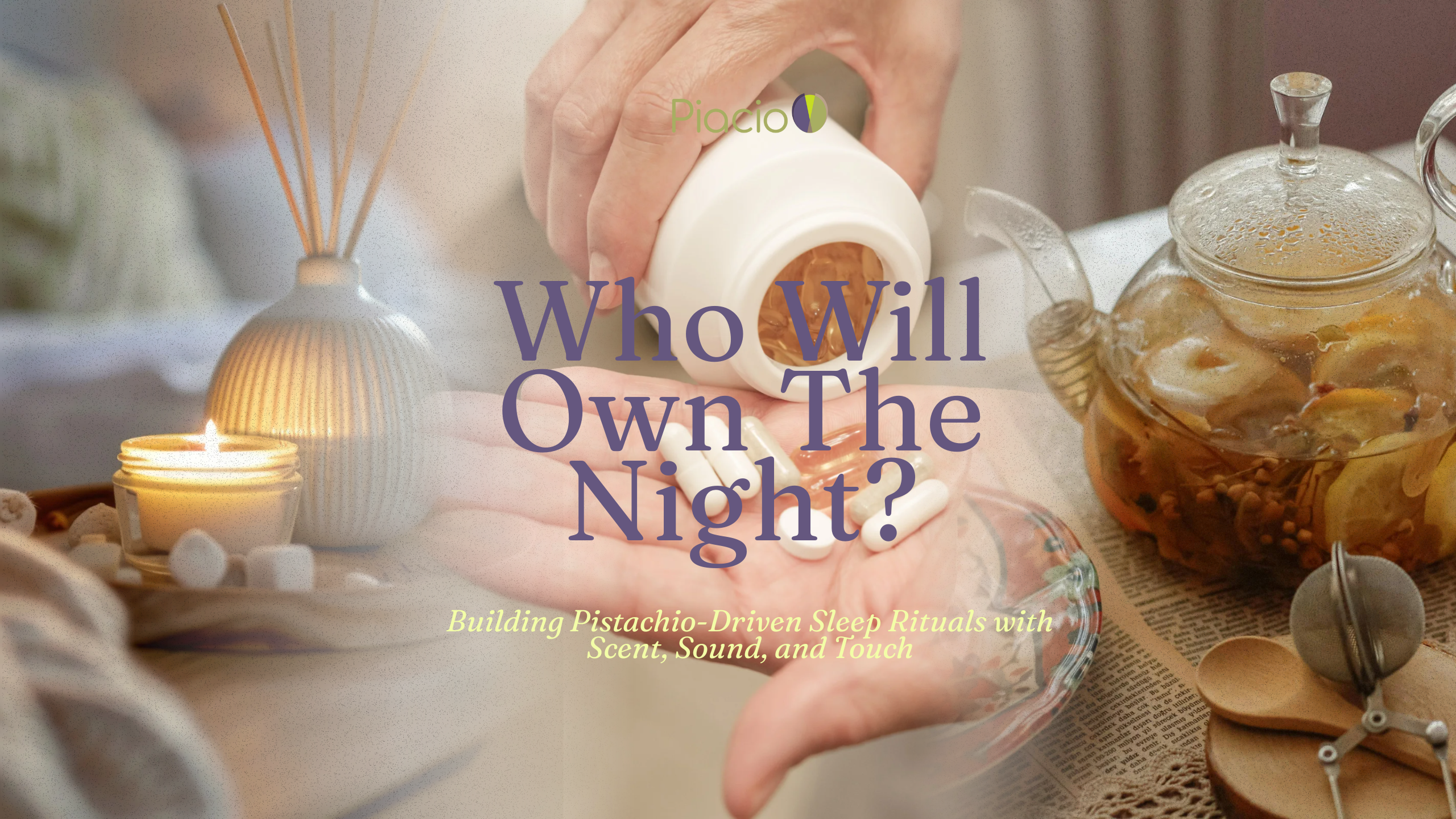
Consumers are not only buying sleep products. They are now buying reassuring, repeatable rituals that make winding down feel intentional. Brands that pair pistachio extract with aromatics, evening teas, and app-based prompts can own this ritual space.
Why sleep rituals are winning
Sleep is shifting from a one-off “knockout” pill moment toward a lifestyle category built on repeated micro behaviors. Habit formation science shows that small, stable routines beat sporadic big changes when building healthier sleep patterns.
Popular habit apps now guide users through evening “journeys,” stacking cues like dim light, calming sounds, and mindful check-ins. These journeys train the brain to associate specific sensory inputs with winding down and sleep.
For brands, this means capsules alone feel underpowered. A pistachio extract SKU becomes more compelling when it anchors a complete ritual. Positioning Piacio® inside multi-sensory experiences helps explain value, justify premiums, and drive better adherence.
The science behind multi-sensory wind-downs
Multi-sensory environments can enhance relaxation and sleep quality when fragrance, sound, and environmental control work together. Human studies using lavender scent plus calming audio showed improved relaxation markers and better sleep metrics versus controls.
Aromatherapy reviews report that inhaled essential oils may reduce insomnia symptoms and improve overall sleep satisfaction when used consistently. Combining aromatherapy with behavioral interventions further strengthens outcomes by addressing mood, arousal, and learned routines.
Bedtime tea rituals add tactile and gustatory layers. Sipping a warm herbal infusion, smelling steam, and pausing screens create a strong “it is bedtime” signal. These sensory anchors fit naturally beside pistachio extract as a physiological sleep support.
Why pistachio extract fits ritualized launches
Pistachio extract brings a credible, plant-based melatonin story that aligns perfectly with slow, ritual-centric branding. Research shows Pistacia vera extract contains very high melatonin levels and activates melatonin receptors at meaningful potency.
In one extract characterization, pistachio extract delivered about 5 mg melatonin per gram, enabling human-relevant doses with small amounts. This means brands can design gentle evening products where one serving fits within common melatonin usage ranges.
Pilot work on pistachio-based sleep products suggests dose-dependent reductions in sleep onset time and increases in sleep duration. Combined with pistachios’ antioxidant and phenolic profile, this positions pistachio extract as both sleep-supportive and wellness-positive.
Behavioral trends: ritual, not rescue
Several macro trends support designing launches around rituals, not “rescue” sedatives. Consumers increasingly share “evening routines” and “Sunday reset” content, where scents, teas, and devices structure wind-down time. Social posts about journaling, candles, and screen boundaries normalize ritual stacking.
Habit-tracker and self-care apps now sell themed evening journeys instead of random tips. These journeys embed repeating prompts like breathing exercises, stretching, and reading into every night’s flow. Pistachio-based sleep products can mirror this narrative offline.
Visual and environmental cues also matter. Behavioral guidance for neurodivergent users emphasizes the power of visible reminders and mode-based phone settings to anchor habits. A branded tea mug, diffuser, or app animation can play that same cue role for sleep rituals.
Designing a pistachio plus aromatics ritual
Aromatherapy brings a direct olfactory pathway into the limbic system, influencing mood, stress, and arousal. Lavender, chamomile, and other calming scents have shown benefits for anxiety and sleep quality when inhaled in controlled conditions.
A pistachio extract brand can translate this evidence into a simple, ownable ritual structure. For example, “Pour, breathe, sip, then rest” becomes a repeatable script for consumers. Each sensory step is backed by either behavioral or physiological rationale.
Practical pairing concepts include:
- Piacio® gummies plus a bedside lavender pillow mist pattern, used ten to fifteen minutes before bed.
- Piacio® powder sachets plus a branded ceramic aroma stone with pre-blended essential oils.
- Piacio® capsules packaged with a small fragrance card, reminding consumers to diffuse or spray their favorite bedtime scent.
These combinations allow launches that feel like “kits,” even when regulatory or logistics constraints limit accessory bundling. The key is specifying a clear pairing behavior and sensory order on the packaging.

Pairing pistachio extract with evening teas
Herbal teas already own a large share of the “evening calm” mindset in many markets. Evidence links certain botanicals, like chamomile and valerian, with improved sleep or reduced anxiety symptoms. The ritual of brewing tea adds another layer of behavioral support.
Calming tea routines work through more than ingredients. They invite users to slow down, hold a warm cup, and drink without distractions. This mindful pause can lower physiological arousal and help the brain decelerate before bed.
Piacio® can integrate with tea in several ways:
- Evening pistachio latte sachets that combine pistachio extract with gentle herbal bases and minimal caffeine.
- Dual-pack formats where a pistachio capsule is taken first, followed by a caffeine-free herbal infusion.
- Ready-to-drink evening shots that mix pistachio extract with tea extracts and low sugar for easy, repeatable rituals.
Communications can highlight a two-layer promise. First, pistachio extract supports melatonin pathways and circadian signaling. Second, the tea ritual offers a psychological and sensory countdown toward sleep.
Leveraging app-based rituals and digital cues
Digital tools now structure many people’s days, including evenings. Sleep and habit apps use notifications, checklists, and “routines” to nudge users toward consistent behaviors. Evidence from interactive sleep education apps shows improved sleep onset and stability with tailored behavioral guidance.
Habit-building platforms offer evening wind-down templates that sequence small steps like dimming lights, stretching, and journaling. These templates capitalize on behavioral science by making each night’s process predictable and easy to follow.
A Piacio®-partner brand can connect products and digital rituals in several ways:
- Offer QR-linked “sleep ritual journeys” that unlock inside the product box.
- Recommend specific third-party habit apps and sample evening routines in educational materials.
- Collaborate on co-branded in-app challenges, like “fourteen nights of plant-based sleep,” featuring pistachio extract as a nightly anchor.
The goal is to make the pistachio product the physical centerpiece of a broader behavioral change system. The app handles prompts and tracking, while the product delivers physiological support and tactile cues.
Building a multi-sensory “Piacio® moment” each night
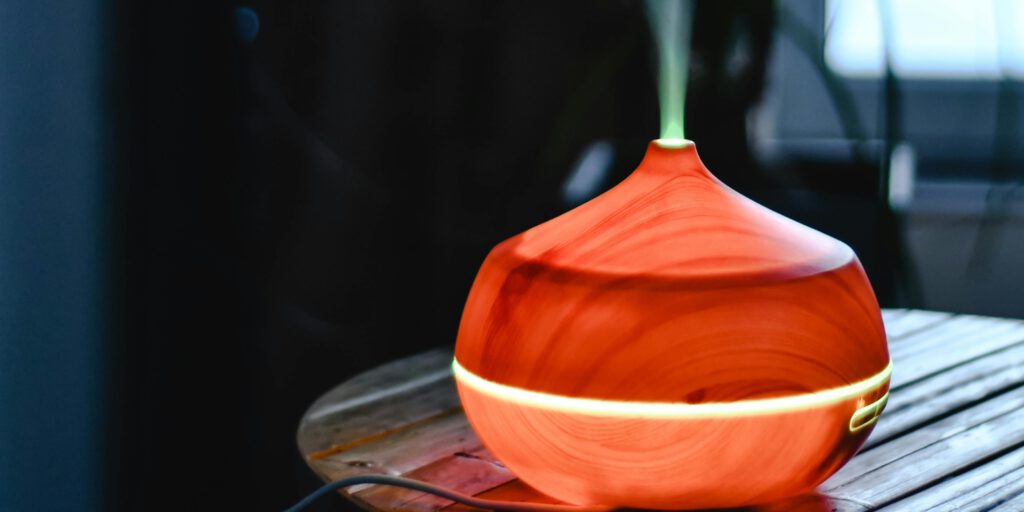
To create sticky rituals, every element should converge on a single recognizable “moment.” That moment is when consumers consciously flip from stimulation to restoration. Brands can architect a “Piacio® moment” that combines scent, flavor, touch, and digital reinforcement.
One example narrative:
- The app reminds users to start their wind-down at a consistent time each night.
- Users spray or diffuse a chosen calming aroma, then prepare their Piacio®-enhanced tea or beverage.
- While sipping, they complete a short reflection or gratitude prompt inside the app, then set the phone aside.
This sequence layers:
- Olfactory cues from aromatics.
- Gustatory and tactile cues from the warm drink.
- Cognitive cues from written reflection and device boundaries.
Pistachio extract becomes the constant physiological thread running through each step. The brand story then moves beyond “milligrams” toward “how your evenings feel, every single night.”
Translating science into packaging and copy
EEAT-aligned brands need to reference science responsibly while keeping messaging consumer-friendly. For Piacio®-infused rituals, packaging can highlight that pistachio extract is naturally rich in melatonin, with evidence of receptor-level activity. Short summaries can explain that small evening doses align with human melatonin ranges used in sleep research.
Copy should also note that multi-sensory routines, including aromatherapy and herbal tea, have been associated with improved sleep quality in studies. Importantly, it should avoid promising cures and instead emphasize support for relaxation, sleep onset, and consistent bedtimes.
Clear, behavior-focused directions help bridge science and everyday use:
- “Take your Piacio®-infused beverage fifteen to thirty minutes before your target bedtime.”
- “Activate your chosen scent and complete a short reflection before placing your phone away for the night.”
- This behavior-first framing respects evidence while aligning with modern consumer expectations around guided wellness experiences.
Launch ideas for Piacio®-centered ritual SKUs
Piacio® enables multiple product concepts that pair easily with aromatics, teas, and apps. A few examples for B2B teams:
- “Scent and Sip Sleep Duo”: pistachio evening drink plus co-branded aroma recommendation and QR-linked ritual playlist.
- “App-Guided Pistachio Sleep Routine”: capsules bundled with access to an in-app fourteen-night wind-down challenge.
- “Pistachio Night Tea System”: loose or bagged tea plus pistachio extract sachets, emphasizing gentle, nightly melatonin from plants.
Each SKU should:
- Define a specific ritual window, such as ninety minutes before sleep.
- Specify which senses are activated at each step.
- Offer visual diagrams or timelines to make adoption intuitive.
Marketing content can then show realistic use cases: stressed professionals, shift-adjusting workers, or creators seeking structured wind-downs after late screen time. These narratives connect Piacio®’s mechanism with lived behaviors.
Brands that treat sleep as a full-sensory ritual, not just a capsule, will feel more credible in a behavior-focused wellness market. Pistachio extract gives those brands a melatonin-rich, plant-based core ingredient that fits perfectly beside aromatherapy, evening teas, and app-guided routines.
Piacio® is designed for formulators who want differentiated, evidence-informed sleep experiences, from beverages and gummies to integrated “sleep kits.” To explore how Piacio® pistachio extract can power your next ritual-based launch, contact the Piacio® team for technical documentation, formulation support, and co-marketing ideas.
References
Aromatherapy and essential oils: holistic strategies in integrative care. (2025). Holistic Nursing Practice. https://shorturl.at/fgI18
Elucidating multi-sensory stimuli for relaxation and sleep quality. (2024). International Journal of Environmental Research and Public Health. https://shorturl.at/jlH79
Olfactory interventions for sleep enhancement: a review. (2024). Universal Journal of Pharmaceutical Research. https://shorturl.at/biuFU
Natural melatonin from pistachio extract: improved sleep and wellness. (2024). Botanic Healthcare technical article. https://shorturl.at/fjpT0
Pistacia vera extract potentiates the effect of melatonin on human melatonin receptors. (2023). Biomedicines. https://shorturl.at/fgtvO
A naturally rich source of melatonin: Pistacia vera extract. (2023). Institut Cochin research news. https://shorturl.at/bpKUV
Evaluation of pistachio extract standardized to 1% melatonin on sleep parameters in experimental models. (2021). Pharmacognosy Research. https://shorturl.at/oxF67
Study finds pistachios contain high levels of phytomelatonin. (2019). American Pistachio Growers. https://shorturl.at/eFOT9
Interactive smartphone app for improving children’s sleep habits. (2025). Children. https://shorturl.at/ahjNP
Multi-component aromatherapy guidance for sleep improvement. (2025). Popular health feature. https://shorturl.at/fuP14
Five sensory rituals for peaceful evening routines. (2025). Ahead app blog. https://shorturl.at/iyAH0
Science-backed reasons to add calming herbal tea to your routine. (2024). PAPA Tea blog. https://shorturl.at/gjvNR
Guide to healthy sleep: tips, rituals, and tea. (2025). Wissotzky Tea. https://shorturl.at/hmOST
The Fabulous app: building better habits with guided journeys. (2025). Product review. https://shorturl.at/jrv01
The Fabulous – build better habits and achieve your goals. (2017). The Fabulous. https://shorturl.at/iOQUZ
Best habit-tracker apps for 2025. (2025). BetterUp. https://shorturl.at/cnvT7
ADHD and visual cues: how to build habits that stick. (2024). Tiimo. https://shorturl.at/suFP0
Evening nighttime routine: scent and calm. (2025). Lemon8 feature. https://shorturl.at/dkLQ7
Aromatherapy as a sleep-inducing support. (2024). Lifestyle feature. https://shorturl.at/mxGQ5
Prosomnial and synthetic melatonin: comparative pilot study. (2025). Open Journal of Psychiatry. https://shorturl.at/oJOQ5
Leave a Reply