

I. Introduction
In today’s fast-paced world, maintaining a healthy sleep pattern and a well-regulated circadian rhythm has become increasingly challenging. The circadian rhythm, often referred to as the body’s internal clock, orchestrates a symphony of biological processes—ranging from hormone production and metabolism to sleep-wake cycles. Unfortunately, many people suffer from disruptions to their circadian rhythms due to factors such as shift work, prolonged exposure to artificial lighting, jet lag, and lifestyle stressors. These disturbances not only degrade sleep quality but also pose serious risks to overall health, including impaired cognitive function, weakened immunity, and increased vulnerability to chronic illnesses.
At the heart of circadian rhythm regulation lies melatonin, a critical hormone that signals the body when it is time to rest and rejuvenate. Melatonin production is naturally triggered by darkness, helping to initiate sleep and maintain its continuity throughout the night. Beyond regulating sleep, melatonin also serves as a powerful antioxidant, defending brain cells and tissues against oxidative damage associated with disrupted sleep patterns. While synthetic melatonin supplements are commonly used to combat sleep disorders, increasing interest has been directed towards natural melatonin sources, which may offer additional health benefits through synergistic bioactive compounds.
Among natural sources, pistachio extract has emerged as a potent, natural reservoir of melatonin. Renowned for its rich nutritional profile, pistachios contain significant amounts of melatonin coupled with essential nutrients and antioxidants that collectively enhance its efficacy in circadian rhythm regulation and sleep support. This natural extract has the potential to provide a more holistic and harmonious approach to managing sleep disturbances, offering renewed hope to millions struggling with circadian misalignment.
II. Outline
This article delves deeply into the physiological importance of melatonin in circadian rhythm regulation and antioxidant defense. It explores how pistachio extract stands out as a natural solution to reinforce these vital processes, ultimately promoting uninterrupted, restorative sleep. By understanding the science behind melatonin’s functions and the unique properties of pistachio extract, readers can make informed decisions about integrating this natural aid into their wellness routines.
We begin by examining the biological fundamentals of circadian rhythms, highlighting why their disruption impacts health so profoundly. Then, we journey into the multifaceted role of melatonin—not only as the master sleep hormone but also as an essential line of defense against oxidative stress. Following this, we spotlight pistachio extract’s melatonin content and associated health benefits, supported by recent scientific studies and clinical evidence.
Finally, the article offers practical guidance on using pistachio extract as a natural sleep aid, complemented by lifestyle tips to optimize circadian health. Whether you struggle with occasional sleeplessness, chronic insomnia, or jet lag, this natural approach may provide an effective and safe alternative for restoring your body’s natural rhythm. Embrace the power of nature and feel the difference as your nights become deeper, your days more energized, and your overall well-being flourishes.
III. Understanding Circadian Rhythm and Its Importance
The circadian rhythm is an internal biological clock regulating sleep-wake cycles and many physiological processes over a roughly 24-hour period. Rooted in the brain’s suprachiasmatic nucleus, this rhythm synchronizes various functions like hormone release, body temperature, and metabolism to the light-dark cycle.
When the circadian rhythm is disrupted—whether from shift work, travel across time zones, or lifestyle habits—people experience difficulty falling asleep, poor sleep quality, and daytime fatigue. Persistent circadian misalignment can also increase risks for metabolic disorders, cardiovascular disease, and cognitive decline.
IV. The Role of Melatonin in Rhythm Regulation
Melatonin, often dubbed the “sleep hormone,” is the master regulator of circadian rhythms. Produced primarily by the pineal gland in response to darkness, melatonin signals the body to prepare for sleep. Its levels rise in the evening, peak during the night, and decline by morning.
More than just a sleep inducer, melatonin acts as a biological Zeitgeber (“time giver”), helping reset and align the circadian clock with environmental cues. Melatonin accomplishes this through binding to specific receptors in the brain that regulate circadian rhythm and sleep-wake cycles.
Supplementing melatonin can be effective in addressing rhythm disruptions by advancing or delaying the sleep phase, thus realigning internal clocks with desired sleep times. This makes melatonin a key molecule in treating sleep disorders linked to circadian disruption.
V. Antioxidant Properties of Melatonin
Beyond its circadian role, melatonin is also a powerful antioxidant. It directly scavenges harmful free radicals and reactive oxygen species, thereby protecting cells from oxidative damage. Unlike traditional antioxidants, melatonin can cross all cellular membranes and the blood-brain barrier (BBB), offering widespread cellular protection.
Its antioxidant effects help reduce inflammation and oxidative stress linked to aging and many chronic diseases. This dual role enhances overall health, particularly in tissues vulnerable to oxidative damage from disrupted sleep and circadian rhythms.
VI. Why Natural Melatonin Is Better
While synthetic melatonin supplements are widely used, natural melatonin derived from food sources or botanical extracts offers additional benefits. Natural melatonin usually comes embedded with other beneficial compounds, enhancing absorption, bioavailability, and synergistic effects.
One of the richest natural sources of melatonin is pistachio extract, making it a convenient and effective way to support circadian health naturally without synthetic additives.
VII. Pistachio Extract as a Natural Melatonin Source
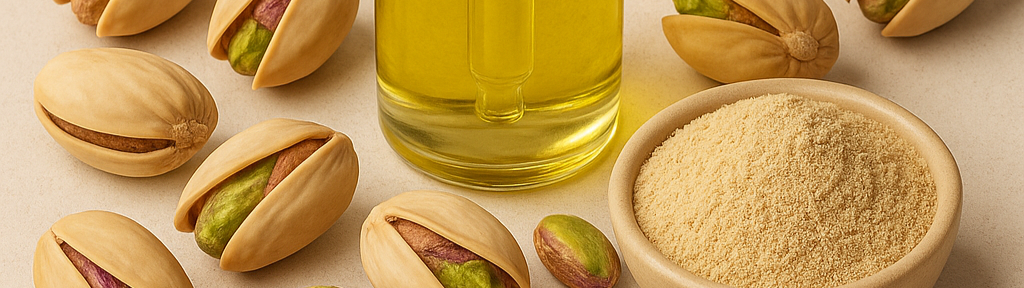
Pistachios, long admired for their nutritional profile, contain significant amounts of melatonin in their kernels. Research reveals pistachio extract standardized to melatonin content can elevate blood melatonin levels and enhance sleep quality.
The natural melatonin from pistachios is integrated with antioxidants, vitamins, and nutrients that collectively promote better sleep and circadian regulation. This synergy creates a holistic approach to managing rhythm disruptions and fostering restorative sleep naturally.
VIII. How Pistachio Extract Supports Uninterrupted Sleep
- Enhancing Sleep Onset and Duration. The melatonin in pistachio extract signals the brain to wind down, helping users fall asleep faster and enjoy longer deep sleep phases.
- Improving Sleep Quality. The antioxidant properties reduce oxidative stress in brain regions regulating sleep, helping maintain continuous, undisturbed sleep cycles.
- Supporting Circadian Realignment. Regular consumption assists in resetting the circadian clock, beneficial for shift workers or those suffering from jet lag.
- Mood and cognitive Benefit. Better sleep supported by pistachio extract indirectly improves mood, memory, and cognitive function due to melatonin’s neuroprotective roles.
IX. Scientific Evidence Supporting Pistachio Extract’s Effectiveness
Studies have shown that supplementation with pistachio extract can improve melatonin levels and sleep parameters in humans. Clinical trials indicate reductions in sleep latency and night awakenings, alongside enhanced subjective sleep satisfaction.
Additionally, the antioxidant profile of pistachio extract demonstrates lowered markers of oxidative stress in clinical settings, confirming its dual role in rhythm regulation and cellular protection.
Melatonin Receptor Activation
Pistachio extract distinguishes itself among plant extracts by exhibiting high binding affinity for melatonin receptors, especially MT1 and MT2, which are directly responsible for the synchronization and regulation of the body’s sleep/wake cycles. Studies have found that pistachio extract not only binds effectively but also activates melatonin receptor signaling pathways—such as inhibition of cAMP production and activation of ERK phosphorylation—just like externally administered melatonin. Consuming as little as 0.5 to 1 gram of extract yields 2 to 5 mg of melatonin, the amount clinically proven to facilitate sleep initiation and circadian rhythm adjustment.
Dose-Dependent Sleep Improvement
Clinical trials with standardized pistachio extract (containing 1% melatonin) have shown significant, dose-dependent sedative and hypnotic effects in animal models and humans. Subjects receiving higher doses of pistachio extract experienced reduced sleep onset times (falling asleep faster) and longer, more consolidated sleep durations. The effects scale with dosage, indicating that pistachio extract’s melatonin actively shifts and repairs the circadian rhythm by strengthening the timing and continuity of sleep processes and reducing sleep fragmentation.
Potentiating Melatonin’s Effect
Remarkably, pistachio extract contains other, as-yet unidentified molecules that amplify melatonin’s efficacy. This potentiating action increases the effectiveness of both endogenous (naturally produced within the body) and exogenous (supplemental) melatonin. Such synergy maximizes receptor activation and post-receptor signaling, expediting circadian realignment after disruptions like jet lag or irregular schedules.
Phenolics and Tryptophan Conversion
Pistachios are rich in unique phenolic compounds that assist in converting the amino acid tryptophan into melatonin rather than toxic metabolites. This means pistachio extract not only provides melatonin directly, but also fosters the body’s own melatonin production by supporting healthy tryptophan metabolism, another route by which pistachio aids circadian rhythm repair.
Comparative Studies and Bioactivity
Recent pilot studies comparing natural pistachio melatonin supplements with synthetic melatonin found similar absorption rates and effectiveness in sleep promotion. A pistachio-derived product, significantly reduced sleep latency and improved subjective sleep quality, morning restfulness, and circadian adjustment. These are all comparable to or exceeding results from synthetic options.
Supporting Overall Circadian Health
Beyond melatonin, pistachio extract offers antioxidants (e.g., polyphenols) and nutrients (e.g., magnesium) shown to further benefit sleep and immune function. The combined effects of these compounds create an ideal environment for rest, restoration, and healthy daily cycles.
In summary, pistachio extract repairs circadian rhythm by supplying bioavailable melatonin that strongly binds and activates circadian receptors, potentiates melatonin’s action through additional bioactives, improves sleep onset and duration dose-dependently, and supports endogenous melatonin production with unique phenolics—all confirmed by recent scientific research.

X. Integrating Pistachio Extract into Your Routine
To maximize benefits:
- Choose pistachio extract standardized to melatonin content (commonly at least 1% melatonin).
- Take it 30-60 minutes before bedtime for optimal melatonin elevation.
- Combine with good sleep hygiene practices such as dim lighting, reduced screen exposure, and consistent sleep schedules to reinforce natural circadian cues.
XI. Other Natural Ways to Support Melatonin and Circadian Health
Besides pistachio extract, natural melatonin is found in foods like tart cherries, grapes, and walnuts. Lifestyle modifications including regular exercise, stress management, and controlled light exposure can further boost endogenous melatonin production.
XII. Conclusion: Harnessing Nature to Combat Circadian Disruption
In closing, circadian rhythm disruptions are more than mere inconveniences; they are significant health challenges that can undermine physical and mental wellness if left unaddressed. Melatonin plays a pivotal role in signaling the body to sleep, maintaining sleep quality, and providing antioxidant protection against cellular stressors related to sleep disturbances. Harnessing natural sources of melatonin, such as pistachio extract, offers a promising strategy to restore the body’s internal clock naturally.
Pistachio extract not only supplies bioavailable melatonin but also delivers complementary antioxidants and nutrients that enhance melatonin’s action, making it a powerful natural remedy for improving sleep onset, duration, and uninterrupted rest. Incorporating pistachio extract into a balanced lifestyle alongside good sleep hygiene and circadian-supportive habits can help millions regain restful nights and optimal daily functioning.
As research continues, the potential of pistachio extract and other natural melatonin sources underscores a broader recognition of nature’s capacity to heal and balance our modern lives. Choosing natural interventions may pave the way to safer, more effective circadian care—helping us all enjoy the profound benefits of regulated rhythms and restorative sleep.
References:
- American Pistachio Growers. (n.d.). Having problems sleeping? Eat American pistachios. Retrieved October 28, 2025, from https://americanpistachios.org/about-us/pistachio-power-unshelled/latest-news/having-problems-sleeping-eat-american-pistachios
- American Pistachio Growers. (n.d.). Study finds American grown pistachios contain melatonin. Retrieved October 28, 2025, from https://americanpistachios.org/about-us/pistachio-power-unshelled/press-releases/study-finds-american-grown-pistachios-contain
- Cleveland Clinic. (n.d.). Melatonin. Retrieved October 28, 2025, from https://my.clevelandclinic.org/health/articles/23411-melatonin
- Cochin Institute. (2023, August 01). Pistacia vera: A naturally rich source of “melatonin,” the sleep hormone in mammals. Retrieved October 28, 2025, from https://institutcochin.fr/en/news/pistachia-vera-naturally-rich-source-melatonin-sleep-hormone-mammals
- Khullar, A. (2012, July 10). The role of melatonin in the circadian rhythm sleep-wake cycle. Psychiatric Times, 29(7). Retrieved October 28, 2025, from https://www.psychiatrictimes.com/view/role-melatonin-circadian-rhythm-sleep-wake-cycle
- Losso, J., & Yeboah-Awudzi, M. (2019, August 9). Study finds American grown pistachios contain melatonin [Press release]. American Pistachio Growers. Retrieved October 28, 2025, from https://www.prnewswire.com/news-releases/study-finds-american-grown-pistachios-contain-melatonin-300899264.html
- Nandy, P., et al. (2025). Pistachios are rich in melatonin, vitamins and antioxidants: Sleep-inducing effects of pistachio extract with 1% melatonin on pentobarbital-induced sleep in mice. Pharmacognosy Research, 17(2), 105530 pres-20252094. https://www.phcogres.com/article/2025/17/2/105530pres20252094
- Veterinary & Human Health Board. (n.d.). Can you get melatonin from pistachios vs. a supplement? MedicineNet. Retrieved October 28, 2025, from https://www.medicinenet.com/can_you_get_melatonin_from_pistachios/article.htm
Leave a Reply