


Introduction
In 2025, the world’s attention to wellness is sharper than ever. As stress, insomnia, and lifestyle imbalances continue to affect populations globally, demand for natural sleep supplements is surging. For B2B buyers—from nutraceutical manufacturers and ingredient suppliers to distributors and retailers—the natural sleep supplements market offers both opportunity and fierce competition.This article provides a comprehensive, data-driven analysis of the natural sleep supplements market and highlights sleep aid trends in 2025. Special attention is placed on the Asia-Pacific region, where rapid growth, urbanization, and consumer preference for natural health products create significant opportunities.
1. The Global Market Landscape
1.1 Market Size in 2024–2025
The global sleep supplements market has grown into a multibillion-dollar sector. Key insights include:
- According to The Business Research Company, the market grew from USD 7.0 billion in 2024 to USD 7.46 billion in 2025, at a CAGR of 6.5%.
- Research & Markets projects a rise to USD 9.5 billion by 2029, maintaining a CAGR of around 6.2%.
- QY Research estimates the market at USD 10.15 billion in 2024, with potential to reach USD 19.87 billion by 2031—an impressive 10.2% CAGR.
- Global Market Statistics suggests growth from USD 7.42 billion in 2025 to USD 14.72 billion by 2033, also at a 10.2% CAGR.
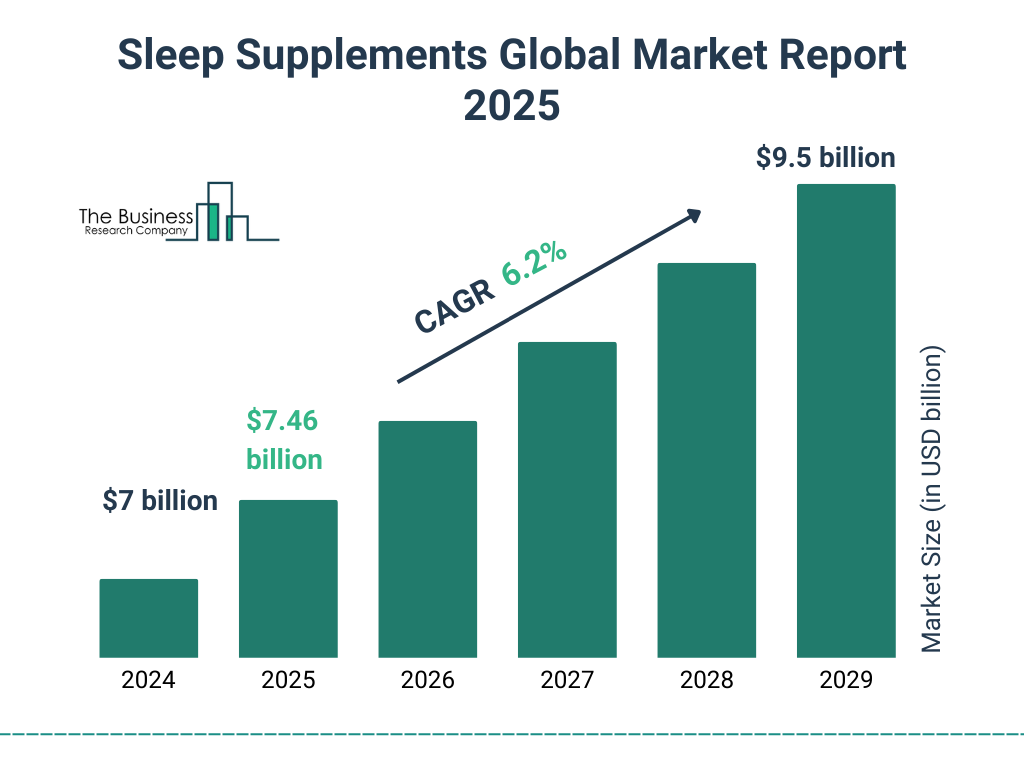
While figures vary, analysts consistently highlight a steady growth trajectory, with growth rates ranging 5–10% annually depending on methodology and focus.
1.2 Key Growth Drivers
Several macro factors continue to drive the market:
- Sleep health awareness: Rising recognition of sleep’s role in overall wellness.
- Insomnia prevalence: WHO data suggests nearly one in three adults worldwide reports poor sleep quality, with chronic insomnia affecting 10-15% of populations.
- Consumer preference for natural health: Consumers are turning away from synthetic sedatives, driven by side-effect concerns and long-term safety. Now, they are shifting toward clean-label, plant-based alternatives.
- Work from home lifestyle changes: Increased screen time and blurred work-life boundaries disrupt circadian rhythms.
- Aging populations: Older adults are more prone to sleep disorders, increasing supplement demand.
2. Regional Market Breakdown
2.1 North America
- Largest global market, driven by high consumer spending on supplements.
- Melatonin dominates, as the U.S. Food & Drug Administration classifies it as a dietary supplement.
- CBD-based sleep aids are expanding, though regulatory clarity remains uneven across states.
2.2 Europe
- Strong consumer trust in herbal remedies such as valerian root, chamomile, and lemon balm.
- Regulatory oversight from EFSA (European Food Safety Authority) emphasizes product safety and labeling accuracy.
- Growth is steady but slightly slower compared to APAC, with CAGRs between 4-6%
2.3 Asia-Pacific
The Asia-Pacific region (APAC) is one of the fastest-growing segments of the global natural sleep supplements market.
- APAC contributed about 23% of global revenue in 2024, equivalent to USD 1.8 billion.
- The region is projected to grow at a CAGR of 8.0% through 2031—outpacing global averages.
2.2 Why APAC Outpaces the Global Market
The demand in Asia is influenced by:
- Rapid urbanization: Stressful lifestyles and long work hours are common.
- Mental health awareness: Consumers increasingly link poor sleep to anxiety and stress.
- Cultural familiarity with botanicals: Traditional herbal remedies such as Ashwagandha, ginseng, and chamomile, are widely accepted in Asian countries, smoothing the path for natural supplements.
- Digital retail ecosystems: Online health supplement sales are rapidly expanding in China, India, and Southeast Asia.
- Middle-class expansion: Rising disposable income fuels spending on wellness products.

3. Market Forecasts & Projections
3.1 Global Outlook
By 2030, the natural sleep supplements market is expected to:
- Exceed USD 15 billion, depending on CAGR trajectory.
- Maintain strong momentum in North America and Europe.
- Accelerate fastest in Asia-Pacific, especially in India, Southeast Asia, and China.
3.2 Asia-Pacific Outlook
- APAC’s CAGR of 8%+ means its market share could rise from 23% in 2024 to closer to 30% by 2030.
- Demand will be supported by:
- Younger populations seeking stress relief.
- Elderly populations facing chronic insomnia.
- Increasing regulatory support for functional foods.
4. Ingredient Trends and Consumer Preferences
4.1 Established Ingredients
Current market leaders include:
- Melatonin: Holds roughly 50% global market share. Popular for regulating circadian rhythms.
- Valerian root: Accounts for about 25% of the market, widely used in herbal traditions especially in Europe.
- Magnesium: Fastest-growing category, projected CAGR of 10% through 2027, thanks to its role in muscle relaxation and sleep onset.
4.2 Pistachio Extract: A Natural Contender
While not yet as mainstream as melatonin or valerian, pistachio extract is emerging as a valuable natural sleep aid ingredient.
Why pistachios matter:
- Natural melatonin source: Studies have shown pistachios to contain significant amounts of melatonin compared to other foods.
- Magnesium content: Each serving contributes significantly to daily magnesium intake, supporting sleep and relaxation.
- Plant-based and clean-label: Appeals to vegan, vegetarian, and eco-conscious consumers.
- Functional food trend: Nuts and extracts carry strong consumer perception of being healthy and natural.
For B2B buyers, pistachio extract offers a dual benefit: it aligns with proven sleep compounds while standing out as a novel, food-derived option that resonates with the world’s growing interest in functional nutrition.
4.3 Other Rising Botanicals
- Ashwagandha: Adaptogen gaining popularity in India and globally.
- Chamomile: Trusted for its calming properties, widely used in teas and supplements.
- L-theanine: Amino acid from green tea, popular in Japan and Korea.
- CBD (Cannabidiol): Expanding in Western markets, though regulatory frameworks vary across Asia.

5. Consumer Demographics & Behavior
Understanding the who behind the market is as important as the what:
- Millennials & Gen Z: Prioritize natural, functional, and innovative supplement formats (gummies, beverages).
- Gen X & Baby Boomers: More concerned with proven efficacy and managing chronic sleep disorders.
- Urban professionals: Seek stress relief and sleep improvement in fast-paced lifestyles.
- Wellness enthusiasts: Favor clean-label, sustainable, and plant-based options—where pistachio extract resonates strongly.
6. Formats and Distribution Channels
6.1 Supplement Formats
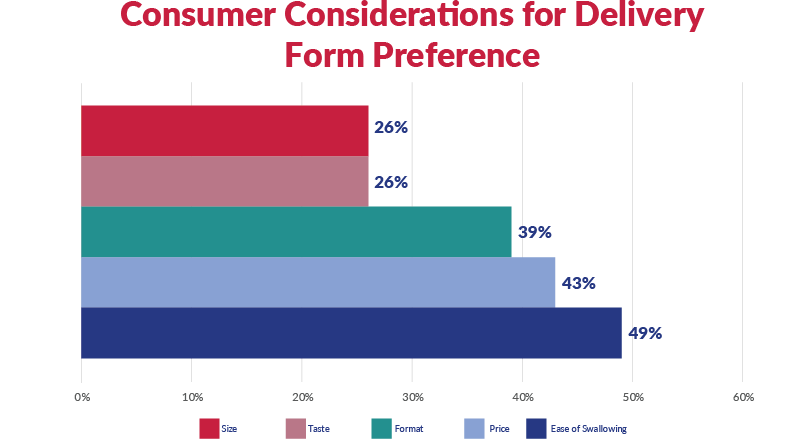
Consumer preferences span across:
- Tablets & Capsules: Dominant, holding ~42% market share.
- Powders & Effervescent tablets: Growing due to convenience and faster absorption.
- Gummies & Functional Foods: Trending strongly with younger demographics. Pistachio-based formulations could fit well here.
6.2 Sales Channels
- Retail Pharmacies: Still the leading distribution channel at ~46% of sales.
- Online Channels: Fastest-growing, particularly in APAC markets.
- Health & Specialty Stores: Important in urban centers across Japan, Korea, and Taiwan where consumers value in-person consultation.
7. Opportunities for B2B Buyers
7.1 For Ingredient Suppliers
- Invest in research-backed botanicals like pistachio extract, ashwagandha, and valerian.
- Develop clean-label, standardized extracts that meet rising quality demands.
7.2 For Manufacturers
- Innovate with multi-ingredient blends for natural synergy.
- Expand into gummies, effervescents, and functional snacks.
7.3 For Distributors & Retailers
- Prioritize e-commerce strategies in APAC.
- Highlight natural melatonin sources in product marketing.
8. Key Takeaways
The natural sleep supplements market is entering 2025 with strong growth momentum. Global demand is expanding at 5–10% CAGR, while Asia-Pacific is set to outperform with 8%+ CAGR, fueled by lifestyle stressors, e-commerce growth, and natural health awareness.
While ingredients like melatonin, valerian, and magnesium dominate, innovative options such as pistachio extract provide unique positioning—especially in Asia, where functional foods and clean-label solutions resonate strongly. For B2B buyers, the opportunity lies in embracing both mainstream and emerging ingredients, leveraging regional dynamics, and delivering solutions that meet evolving consumer demands.
The message is clear: with pistachio extract and other natural sleep aids, now is the time to lead the global wellness wave.
References
The Business Research Company. (n.d.). Sleep supplements global market report. Retrieved from https://www.thebusinessresearchcompany.com/report/sleep-supplements-global-market-report?utm The Business Research Company
Global Wellness Times. (2025, February 19). Global sleep supplements market outlook 2025-2034: Growth drivers, share and trends. Retrieved from https://www.globalwellnesstimes.com/article/787002725-global-sleep-supplements-market-outlook-2025-2034-growth-drivers-share-and-trends?utm globalwellnesstimes.com
Research and Markets. (n.d.). Herbal sleep aid: Sleep supplements market size, share & forecast to 2029. Retrieved from https://www.researchandmarkets.com/report/herbal-sleep-aid?utm Research and Markets
Business Research Insights. (n.d.). Sleep supplement market size & trends research [2033]. Retrieved from https://www.businessresearchinsights.com/market-reports/sleep-supplement-market-121519?utm Business Research Insights
QY Research. (n.d.). Sleep supplement report. Retrieved from https://www.qyresearch.com/reports/3526159/sleep-supplement?utm
Cognitive Market Research. (n.d.). Asia-Pacific sleep aid supplements market report. Retrieved from https://www.cognitivemarketresearch.com/regional-analysis/asia-pacific-sleep-aid-supplements-market-report?utm Cognitive Market Research
Verified Market Reports. (n.d.). Sleep aids supplements market. Retrieved from https://www.verifiedmarketreports.com/product/sleep-supplements-market/?utm
Leave a Reply