

Why archetypes matter for Piacio®
Sleep supplements sit at the intersection of consumer health, nutrition, and lifestyle, so context and brand archetype strongly shape success. The same pistachio extract can feel like a gentle quasi‑pharma adjunct, a premium DTC ritual, or a friendly grocery staple.
Piacio® is a pistachio‑derived extract naturally rich in melatonin, supporting sleep while promising a milder next‑day feel than synthetics. This positions Piacio® as a flexible hero ingredient for brands needing science credibility plus a clean, botanical sleep story across formats.
Piacio®’s scientific and brand foundation
Multiple analyses show pistachio extract can deliver unusually high natural melatonin levels and activate melatonin receptors effectively. Clinical work with pistachio‑based sleep gummies indicates meaningful improvements in sleep latency, duration, and perceived sleep quality.
At the same time, audits of synthetic melatonin gummies have revealed labeling inconsistencies that concern regulators and consumers. Piacio®’s standardized melatonin content allows brands to build accurate claims, dosage narratives, and regulatory aligned positioning.
Macro trends shaping sleep brands
The global sleep support category is growing as more people report poor sleep and seek nutritional rather than pharmaceutical answers. Consumers increasingly prefer natural, evidence backed ingredients and scrutinize labels for scientific proof and clean composition.
Gummies, chews, and other enjoyable formats have surged, particularly among younger consumers who dislike traditional tablets. Direct to consumer channels, social commerce, and retailer private labels now shape expectations for pricing and perceived value.
Archetype overview: quasi‑pharma, DTC, grocery
Across consumer health, three archetypes dominate sleep innovation patterns and go to market strategies. Each one comes with distinct norms around claims, pack architecture, dosage communication, and price points.
- Quasi‑pharma (related to products that fall between cosmetics and pharmaceuticals): over the counter or self care brands anchored in pharmacy, serious claims, and strong regulatory discipline.
- Premium DTC (direct-to-consumer): digitally native wellness concepts selling higher priced, story driven sleep rituals with direct consumer relationships.
- Mass grocery: accessible formats and prices optimized for volume, simple navigation, and parity with familiar household brands.
The rest of this playbook outlines how each archetype can deploy Piacio® differently in claims, packaging, and pricing. Use these patterns as a starting blueprint, then localize to category, region, and regulatory environment.
Quasi‑pharma Piacio® strategy
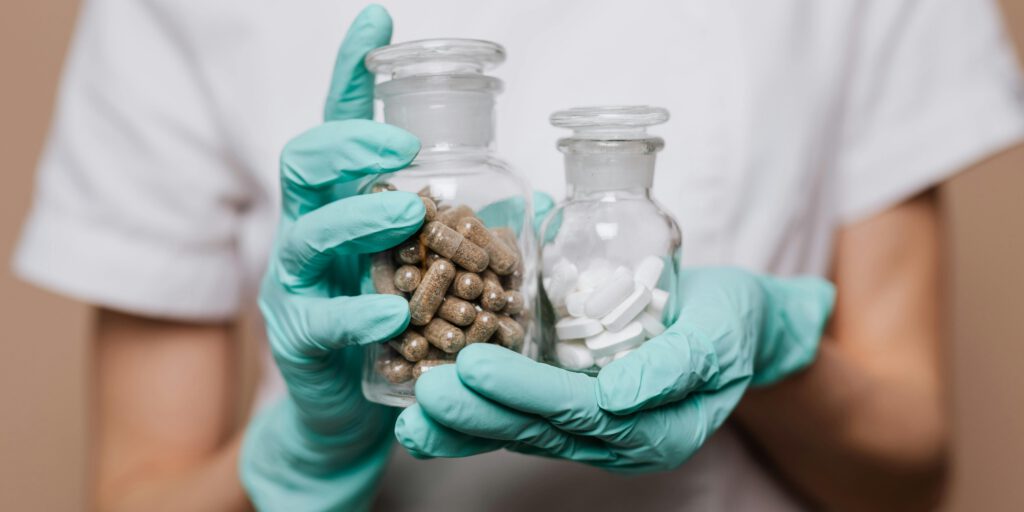
Quasi‑pharma brands operate close to medicinal territory, often living in pharmacy aisles or health specialist chains. Their shoppers value symptom relief, clinical language, and professional endorsement more than flavor variety or trendy aesthetics.
Claims that fit quasi‑pharma expectations
Quasi‑pharma brands should emphasize measured, function focused claims rather than lifestyle promises or vague wellness language. Position Piacio® as a standardized natural melatonin source that supports sleep onset, continuity, and next day alertness.
Patterns that tend to resonate for quasi‑pharma sleep products include the following claim styles.
- “Supports falling asleep faster and staying asleep, in adults with occasional sleep disturbance.”
- “Provides natural melatonin from pistachio extract, with a gentle next day profile.”
- “Standardized melatonin content for predictable nightly dosing and reduced variability.”
To enhance credibility, couple these outcome statements with clear references to clinical or observational data on pistachio extract. Use professional friendly language, citing peer reviewed research in healthcare professional materials, without copying any copyrighted text.
Pack design cues for quasi‑pharma shoppers
Quasi‑pharma packs should borrow visual codes from over the counter medicines and professionally recommended supplements. Shoppers expect strong structure, dosage clarity, and calm but authoritative aesthetics rather than playful design.
Consider these pack architecture cues around Piacio®.
- Front panel hierarchy that leads with indication, such as “Sleep Support,” then mechanism, like “Natural Melatonin from Pistachio Extract.”
- Distinct dosage callouts, such as “1 mg natural melatonin equivalent per dose,” validated by Piacio® ‘s standardization.
- Clinical visual language, including clean backgrounds, restrained color palettes, and pharmacy grade typography.
Side or back panels should highlight the difference between natural pistachio melatonin and variable synthetic gummies on shelves. This contrast subtly reinforces the precision and reliability expected from quasi‑pharma brands.
Pricing and pack architecture in pharmacy
Quasi‑pharma buyers accept a modest premium when they perceive clinical backing and standardized dosing. However, pricing must remain plausible for routine use alongside other self care products.
Mass sleep supplements in pharmacy often sit near lower mid price points, while clinically framed products command higher ranges. Patterns in broader supplement retail suggest the following anchor bands per monthly supply.
- Mass baseline sleep multivitamin or generic melatonin: approximately ten to twenty dollars per month.
- Premium or specialized sleep formulas with documented evidence: approximately twenty five to forty five dollars per month.
Quasi‑pharma Piacio® products can sit near the upper end of premium ranges, pointing at standardized natural melatonin and clinical data. Consider pharmacy only bundles and loyalty formats such as three month packs for adherent users.
Premium DTC Piacio® strategy
Premium DTC brands thrive on narrative, community, and obsessive attention to user experience across digital touchpoints. They lean heavily on subscription economics and personalized guidance to stabilize their revenue base.
Claims and storytelling for DTC sleep rituals
DTC sleep buyers want both efficacy and sensory ritual, especially in younger and urban segments. They often prefer natural sleep solutions framed around circadian alignment rather than sedation.
Piacio® offers an ideal story spine for this audience. DTC brands can highlight several key motifs around pistachio extract and sleep.
- “Botanical melatonin intelligence,” explaining that pistachio extract provides melatonin plus additional molecules acting on melatonin pathways.
- “Gentle next day clarity,” contrasting with stories of grogginess associated with heavy synthetic doses.
- “Naturally aligned with your internal clock,” linking to circadian support without medicalizing the language.
Digital copy should stay compliant while weaving Piacio® into a broader ritual narrative, such as pairing with breathwork or screen limits. Use first party data and surveys to refine the emphasis on latency versus sleep quality claims as feedback accumulates.
Pack and experience design for DTC
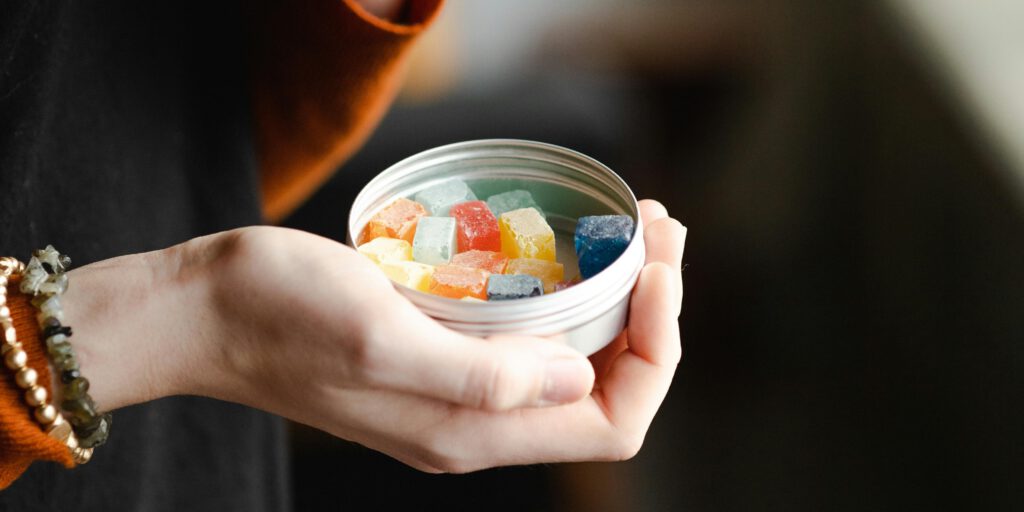
Premium DTC brands can exploit Piacio® ‘s pistachio origin to build highly distinctive multi sensory sleep kits. Kits might combine Piacio® gummies, scented cards, or soothing tea sachets with storytelling around pistachio groves at dusk.
Packaging should signal luxury and intentionality.
- Use tactile finishes and minimalist layouts, with Piacio® mentioned as the named hero ingredient.
- Consider refillable jars or tins with compostable refill pouches to satisfy sustainability conscious buyers.
- Integrate scannable codes that unlock guided audio or sleep education content centered on Piacio®’s mechanism.
Digital unboxing and TikTok friendly rituals can enhance perceived value beyond the cost of ingredients. Visual storytelling around pistachio extract’s science should remain clear, avoiding exaggerated medical promises.
Pricing, subscriptions, and bundles for DTC
Premium DTC brands typically charge more per unit while offsetting with strong customer lifetime value via subscriptions. Value based and psychological pricing methods are common in this context.
Industry guidance for premium supplements typically places monthly supply pricing between twenty five and forty five dollars. DTC brands often stretch slightly higher when they layer in unique story, design, and experiential benefits.
For Piacio® centric DTC products, consider the following moves.
- Position one time purchase pricing at a clear premium to mass melatonin, emphasizing clinical grade natural melatonin.
- Offer subscription discounts of approximately ten to twenty percent, encouraging consistent nightly use.
- Build cross sell bundles like “Wind Down Stack,” pairing Piacio® sleep gummies with stress support products.
Communicate per night cost clearly, reframing a premium price as a small nightly investment in restorative sleep. Reinforce that Piacio® ‘s standardization and research backing justify a step up from generic melatonin.
Mass grocery Piacio® strategy
Mass grocery sleep products live beside multivitamins, cold remedies, and functional snacks, serving highly convenience oriented shoppers. These shoppers want quick understanding at shelf and price points aligned with weekly budgets.
Claims that convert at shelf
Mass grocery claims must be instantly recognizable, simple, and confidence building for hurried shoppers scanning the aisle. Complex mechanism language or technical phrasing belongs in supporting materials rather than front of pack.
Piacio® provides grocery brands with an easy to translate benefit story around drug free, natural sleep support. Patterns that work at this archetype include the following claim directions.
- “Drug free sleep support with natural melatonin from pistachio extract.”
- “Helps you fall asleep and wake up refreshed, without heavy grogginess.”
- “Non habit forming, gentle nightly support for occasional sleeplessness.”
Secondary communication can mention that pistachios are naturally rich in melatonin and that Piacio® standardizes this content. Use icons to communicate “non habit forming,” “vegan,” or “no synthetic melatonin,” if applicable.
Packaging and shelf blocking in grocery
Grocery packs need strong shelf visibility and simple navigation across sizes and formats. Carton and bottle faces should clearly signal sleep benefit plus natural positioning in seconds.
Piacio® can be featured as a clear badge or sub brand to differentiate from store brand generics. Consider these design levers.
- Strong “Sleep” or “Night” cues with iconic moon, stars, or cloud imagery, kept contemporary and not childish.
- A dedicated Piacio® emblem such as “Featuring Piacio® pistachio extract,” to create ingredient loyalty.
- Color blocking by benefit intensity, like “Mild,” “Regular,” and “Extra Support,” always respecting regulatory guardrails.
Side panels can include short educational snippets explaining pistachio extract and natural melatonin, again kept brief and original. Multi language packs in international markets should carefully adapt claims to local rules.

Price ladders and promotions in grocery
Grocery sleep products often compete on price, but value must remain believable for something as personal as sleep. Mass shoppers expect prices overlapping with familiar vitamin brands and retailer private labels.
Analyses of supplement retail price bands indicate mass ranges around ten to twenty dollars per monthly supply. Premium grocery offerings and national brands can stretch toward twenty five dollars, particularly with strong differentiation.
Piacio® based grocery products can sit at a slight premium to store brand melatonin but below pharmacy only or DTC offerings. Promotional tactics such as loyalty discounts, multi buy offers, and cross category displays support trial.
How archetype strategies differ
The following table summarizes how each archetype typically uses Piacio® across claims, packaging, and pricing.
| Brand archetype | Piacio® role and claims | Pack and design codes | Pricing and pack strategy |
| Quasi‑pharma | Standardized natural melatonin, clinically framed sleep support, emphasis on predictable dosing and documented outcomes. | Clinical layouts, dosage clarity, pharmacy friendly typography, strong indication first, Piacio® as evidence backed ingredient. | Upper premium ranges, about twenty five to forty five dollars monthly, with multi month adherence packs. |
| Premium DTC | Hero of holistic sleep rituals, natural circadian alignment, narrative around gentle next day clarity and botanical intelligence. | Minimal, tactile packs, refillable containers, digital connected experiences, Piacio® named and storied across content. | Highest per unit pricing with value framing, subscriptions, and curated bundles, often above standard retail bands. |
| Mass grocery | Drug free, non habit forming natural sleep support, easy to understand benefit claims and family friendly language. | Bold sleep cues, strong visibility, simple icons, Piacio® badge for differentiation from generic melatonin offers. | Slight premium to store brands, around mid mass ranges, with aggressive promotions and multi buy mechanics. |
These patterns should be tuned to your regulatory environment and category conventions along with local shopper expectations. However, the broad archetype differences remain a reliable starting structure.
Implementation roadmap for Piacio® partners
To operationalize this archetype specific strategy, brand teams can follow a staged approach. The goal is aligning claims, packaging, and prices in a coherent way around Piacio®.
- Map your current brand archetype, channels, and shopper expectations across existing product lines.
- Select your Piacio® role, such as gentle adjunct to existing sleep lines or flagship ingredient for a new range.
- Define claims territory you can substantiate using available pistachio extract and sleep science.
- Brief design teams on desired pack codes, from pharmacy credible to ritual oriented or grocery accessible.
- Build price ladders anchored to category benchmarks and clear positioning goals.
- Test prototypes with consumers, adjusting language and price points based on feedback.
Over time, Piacio® partnerships can expand into new formats like beverages or snacks that match each archetype’s strengths. Quasi‑pharma may prioritize capsules, DTC might explore experiential gummies, while grocery could lean into functional treats.
Reach out to Piacio® to explore ingredient specifications, clinical evidence packages, and co creation opportunities for your next sleep launch.
References
Activ’Inside. (2025). Rise of the sleep food supplement market. Retrieved from https://activinside.com/rise-of-the-sleep-food-supplement-market/
IQVIA. (2025). Self-care innovation and market trends in consumer health. Retrieved from https://www.iqvia.com.kh/-/media/iqvia/pdfs/blogs/iqvia_consumer_health_thomas-heil_market-trends_aesgp_distribution_final.pdf
Future Market Insights. (2025). Sleep gummy market, size, growth & forecast 2025 to 2035. Retrieved from https://www.futuremarketinsights.com/reports/sleep-gummy-market
SPINS. (2024). 2024 trend predictions. Retrieved from https://www.spins.com/wp-content/uploads/2024/01/SPINS-2024-Trends-Predicitions.pdf
ReAnIn. (2024). Melatonin market industry analysis & forecast. Retrieved from https://www.reanin.com/reports/melatonin-market
Matsun Nutrition. (2025). Supplement pricing strategies for brands. Retrieved from https://matsunnutrition.com/how-to-price-your-supplement-products/
Institut Cochin. (2023). Pistachia vera: A naturally rich source of melatonin. Retrieved from https://institutcochin.fr/en/news/pistachia-vera-naturally-rich-source-melatonin-sleep-hormone-mammals
M3 MI. (2023). MARS consumer health study directory. Retrieved from https://m3-mi.com/MARS/Documents/01-2023-OTC-DTC/MARS_2023_Consumer_Health_Study_Directory_May.pdf
BusinessDojo. (2025). How to price supplements in retail. Retrieved from https://dojobusiness.com/blogs/news/supplement-retail-pricing
NutraIngredients. (2025). Prosomnial pistachio extract gummy as effective as synthetic melatonin. Retrieved from https://www.nutraingredients.com/Article/2025/10/14/prosomnial-pistachio-extract-gummy-as-effective-as-synthetic-melatonin/
OECD. (2020). OECD reviews of public health: Korea. Retrieved from https://www.oecd.org
1800D2C. (2025). How to think about product pricing in premium vs. mass-market DTC. Retrieved from https://www.1800d2c.com/resources/pricing-strategy-products-premium-vs-mass-market-dtc
Klee MUS GmbH. (2025). Piacio®: Pistachio-derived sleep extract. Retrieved from https://www.ingredientsnetwork.com/piacio-prod1303103.html
William Blair. (2025). Consumer-centric healthcare: 2025 update. Retrieved from https://www.williamblair.com/-/media/downloads/eqr/2025/williamblair_consumer-centric-healthcare-2025-update.pdf
Champion Bio. (2025). Supplement sales channels 2025: DTC vs. retail, e-commerce. Retrieved from https://www.champion-bio.com/news-detail/supplement-sales-channels-2025/
Piacio®. (2025). Pistachio extract vs. synthetic melatonin: Which one works? Retrieved from https://piacio.de/pistachio-extract-vs-synthetic-melatonin/
Market Data Forecast. (2025). North America dietary supplements market report. Retrieved from https://www.marketdataforecast.com/market-reports/north-america-dietary-supplements-market
Parah Group. (2025). Strategies for good pricing in DTC brands. Retrieved from https://www.parahgroup.com/blogs/4-strategies-for-good-pricing-in-dtc-brands
Botanic Healthcare. (2024). Natural melatonin from pistachio extract: Improved sleep and wellness. Retrieved from https://www.botanichealthcare.net/news-and-blog/natural-melatonin-from-pistachio-extract-improved-sleep-and-wellness.html
BlackCurve. (2023). The best pricing strategies for DTC brands. Retrieved from https://blog.blackcurve.com/the-best-pricing-strategies-for-dtc-brands
Leave a Reply