


Why Pistachio-Based Sleep Drinks Are Technically Hard
Pistachios are one of the richest known food sources of plant melatonin, especially when concentrated through modern extraction methods. Pistachio extracts like Piacio® are standardized for melatonin and designed for use in beverages, gummies, and other delivery forms.
Formulators quickly discover pistachio-based sleep drinks bring complex solubility, stability, and taste issues beyond classic synthetic melatonin. Natural matrices add fats, phenolics, and volatile compounds that behave unpredictably in RTD, shots, and effervescent formats.
Piacio® sits in a new category where botanical co-actives can modulate melatonin signaling and sensory perception, not just replace it. That scientific upside also makes process control, solvent choice, and flavor architecture much more critical at the bench.
Understanding Pistachio Melatonin In A Beverage Matrix
Pistachio melatonin is embedded in a complex plant matrix that includes lipids, proteins, and polyphenols. That matrix influences how the extract dissolves, interacts with sweeteners, and survives pasteurization or shelf life.
Compared with isolated synthetic melatonin, plant melatonin can show different receptor signaling profiles and pharmacokinetics. This opens space for gentler, more physiological sleep support but requires tight control of dose and degradation pathways.
In Piacio®, melatonin is standardized around one percent, enabling more accurate beverage dosing than raw pistachio ingredients. Designers still need to account for other pistachio compounds that can drive color change, turbidity, or nutty and green notes.
Core Solubility Challenges In RTD Sleep Drinks
Melatonin itself is only sparingly soluble in water, and pistachio matrices add hydrophobic components. In simple acidified waters, this can lead to visible haze, sedimentation, or micro‑oiling around the neck of bottles.
RTD sleep drinks often also contain magnesium, theanine, or botanicals, further crowding the solubility budget. Complex actives compete for limited solubilization capacity in low‑sugar systems, especially when designers target clear beverages.
Most natural sweeteners, flavors, and clouding systems change solvent polarity and micellar structures, shifting pistachio extract behavior. Each adjustment in Brix or acid blend can destabilize what looked like a stable prototype at bench scale.
Solubility Fixes For RTD With Piacio®
First, define the target as “practically soluble with no visible instability across shelf life,” not chemist ideal solubility. That framing allows mixed solvent systems, micro‑emulsions, or fine dispersions as long as consumer perception remains clear.
Practical solvent levers for pistachio‑based sleep waters include:
- Use small amounts of food grade co‑solvents such as glycerin where regulations allow, to improve melatonin solubility.
- Combine glycerin or propylene glycol with Piacio® in a pre‑concentrate added before final dilution and homogenization.
- Build solubility support with compatible emulsifiers or modified starches when working in slightly turbid, juice‑hybrid formats.
- Use pH 3.0–4.0 acidified systems, balancing melatonin stability, flavor brightness, and microbial safety constraints.
- Avoid abrupt Brix or acid jumps during processing that can “salt out” hydrophobic components and trigger ring deposits.
Shots: High Load, Tiny Volume
Sleep shots concentrate active load into thirty to sixty milliliters, compressing solubility issues. Pistachio extract, magnesium salts, amino acids, and botanicals push the system towards saturation quickly.
High acidity used for microbial safety can also stress taste and chemical stability in such dense formulations. Poor solvent design often yields “ringing,” fine precipitates, or oily films after transport and temperature cycling.
Several lab tactics help with pistachio shots:
- Use buffering systems that keep pH in a narrow, melatonin‑friendly band while still supporting preservatives.
- Prefer more soluble mineral forms and avoid unnecessary excipients that compete for limited solvent capacity.
- Design flavors that accept slight natural turbidity rather than chasing absolute clarity at high active concentrations.
Piacio®’s standardized melatonin content allows dose targeting without overshooting, which reduces loading pressure inside tiny volumes. That space can then support better flavor systems and mouthfeel modulators.
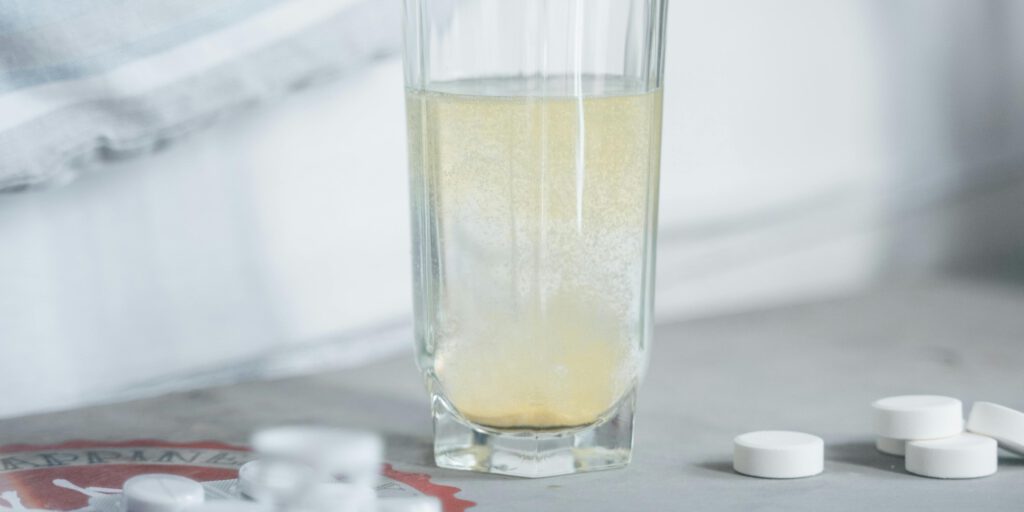
Effervescents: Gas, pH, And Pistachio
Effervescent tablets and powders add carbon dioxide release and dynamic pH shifts to an already sensitive system. When water hits the tablet, localized high concentrations and temperature spikes can transiently stress melatonin and other actives.
Natural extracts also can foam unpredictably, leading to messy overflows or incomplete dissolution. Effervescents with pistachio require granulation, binder choice, and exhaustively tested dissolution protocols.
Effective formulation tricks for pistachio‑based effervescents include:
- Pre‑granulate Piacio® with suitable carriers to protect it from direct acid‑base contact during storage.
- Control particle size distribution to ensure rapid, uniform dissolution without “floaters” or dark specks.
- Tune acid systems so final drink pH supports melatonin stability and preferred flavor profile.
- Use foam control strategies, such as antifoam‑friendly flavors or controlled binder levels, to prevent gushing.
Working with a standardized pistachio extract simplifies dosage calculations across tablet weights and serving sizes. Stable tablets deliver more consistent sensory and functional experiences over the entire shelf life.
Chemical Stability: Protecting Melatonin Over Shelf Life
Melatonin is relatively stable under appropriate conditions, but sensitive to light, oxygen, and some extreme pH ranges. Alcohol‑free suspensions have demonstrated good potency retention over months, yet cosmetic changes still occurred.
In beverages, oxidative stress from dissolved oxygen and metal ions can lead to slow active loss or flavor drift. Pistachio phenolics can participate in browning pathways that shift color and flavor even while melatonin remains within specification.
Key stability controls for pistachio‑based sleep drinks:
- Use light‑protective packaging or amber containers when possible to reduce photodegradation.
- Control dissolved oxygen through deaeration, nitrogen dosing, and tight headspace management.
- Incorporate antioxidants compatible with pistachio matrices, such as ascorbic acid, while monitoring potential color changes.
- Run accelerated and real‑time stability with validated HPLC methods for melatonin assay.
Piacio®’s upstream quality control and standardized melatonin profile simplify downstream stability modeling. That reliability lets beverage developers focus on matrix interactions rather than batch variability in the active.

Thermal Processing And Pasteurization Risks
Many relaxation RTDs use mild heat treatments or tunnel pasteurization for microbiological safety. Thermal exposure can influence both melatonin and the delicate volatile profile of pistachio and added flavors.
Extended high temperatures accelerate oxidation, color formation, and off‑note creation even when active label claim remains intact. Designers must balance processing lethality with sensory and biochemical preservation.
Actionable lab strategies include:
- Favor mild pasteurization regimes after validating microbial kill with challenge studies.
- Consider hot‑fill for turbid juices and cold‑chain for premium low‑acid concepts when regulations permit.
- Always profile melatonin content and key aroma volatiles before and after thermal processing.
Where possible, Piacio® can be added post‑pasteurization via sterile dosing, reducing thermal load on the extract. That approach is particularly attractive for high‑value, small batch sleep beverages.
Sensory: Nutty, Green, And “Sleepy” Flavor Architecture
Pistachio extract brings intrinsic nutty, roasted, and sometimes slightly green or fatty notes, depending on processing. Consumers expecting “sleep water” profiles may not always embrace overt nut flavors at night occasions.
Melatonin itself is mostly neutral but sleep formulas often stack bitter minerals, amino acids, and herbal notes. Together these can create challenging top notes and lingering aftertastes.
Using Piacio® with thoughtful flavor pairing transforms constraints into a signature sensory story. Directions that repeatedly test well in functional beverages include:
- Warm dessert notes like vanilla, honey, toasted almond, or light caramel that harmonize with nutty pistachio tones.
- Gentle botanicals such as chamomile, lemon balm, or lavender to signal “sleep” without medicinal intensity.
- Low‑acid fruits like pear, banana, or coconut for creamy nighttime profiles without sharp citric edges.
- Spice cues such as cardamom or cinnamon at low levels to add coziness and mask subtle green notes.
Piacio®’s gentle sleep effect story pairs naturally with such comforting, ritual‑oriented flavors. The goal is a drink that tastes like winding down, not like taking a pill.
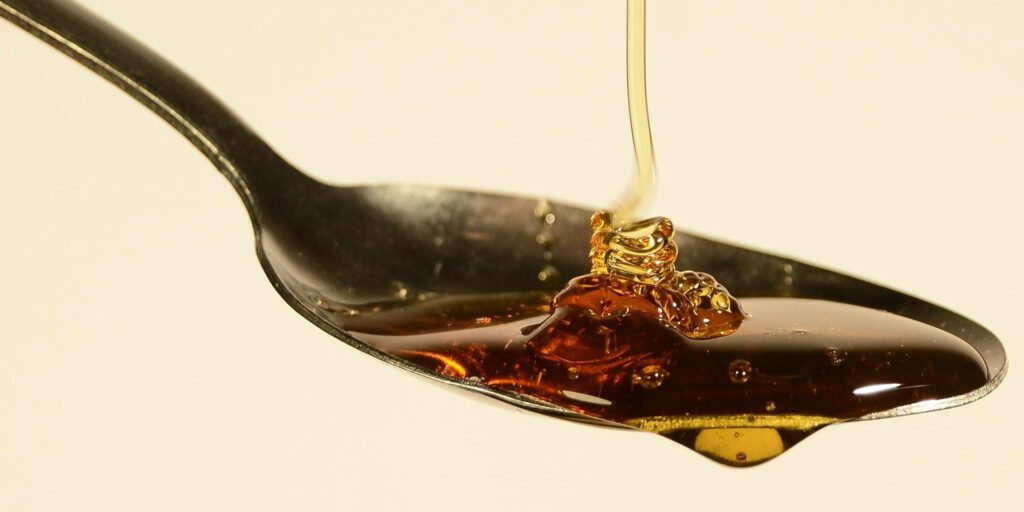
Smart Sweetener Systems That Protect Stability And Taste
Sleep beverages see strong pressure for low sugar, yet sweetener manipulation affects both taste and stability. High intensity sweeteners can introduce bitterness or metallic notes that clash with pistachio matrices.
Sugar reduction also shifts water activity and solubility behavior for hydrophobic components. Lower Brix can reduce body, making nutty or bitter edges more exposed.
Design principles for pistachio‑friendly sweetener systems:
- Use blended sweetener architectures, pairing modest sucrose or fructose with high intensity sweeteners for more sugar‑like curves.
- Explore steviol glycosides supported by flavor modulators or Maillard reaction based masking systems to tame off notes.
- Consider rare sugars or polyols where regulations and GI load targets allow, improving bulk and mouthfeel.
- Pilot different sweetener systems under accelerated stability to assess melatonin recovery and sensory drift.
Patented systems show stevia combined with Maillard reaction products can significantly improve sweetness quality and aroma retention. Such platforms pair well with pistachio when carefully tuned with dessert‑style flavors.

Flavor Pairing Ideas For RTD, Shots, And Effervescents
Three platform directions illustrate how Piacio® can live across formats while respecting technical constraints. Each concept assumes dose ranges validated by local regulations and safety assessments.
RTD still waters or light spritzers:
- Vanilla pistachio chamomile with soft honey notes and low carbonation to reduce carbonic bite at bedtime.
- Coconut pistachio with a hint of cardamom, using modest Brix for creamy mouthfeel without heavy calories.
Concentrated shots:
- Dark cherry pistachio shot using natural cherry for color and melatonin halo alignment.
- Cocoa almond pistachio shot with thicker body and dessert positioning to mask any high load actives.
Effervescent tablets:
- Lemon balm pistachio sparkling drink, with controlled acidity and low bitterness.
- Pear vanilla pistachio tablet for softer fruit notes and soothing aromatics.
Piacio®’s standardized pistachio profile simplifies taking one “hero” sensory direction and translating it across these delivery forms. That helps build brand recognition while R&D solves format‑specific constraints once, not repeatedly.
Role Of Pistachio Extract In The Emerging Sleep Beverage Landscape
Functional beverages for sleep and relaxation are expanding across waters, teas, and even functional beers. Many use melatonin, theanine, magnesium, or botanicals to modulate stress and circadian rhythms.
Plant‑sourced melatonin from pistachios brings a differentiated story for brands seeking natural and novel solutions. Clinical work with pistachio melatonin gummies suggests comparable absorption to synthetic forms at appropriate doses.
Piacio® leverages this science with an ingredient specifically engineered for diverse delivery systems, including drinks. That combination of provenance, standardization, and versatility creates compelling value for product developers.
Why Partner With Piacio® For Pistachio-Based Sleep Drinks
Rapidly building pistachio‑based RTD, shot, and effervescent platforms alone demands specialized knowledge and many trial batches. Every misstep in solubility, stability, or flavor costs time and erodes confidence in the ingredient.
Piacio® provides a pistachio extract standardized for melatonin and engineered specifically for supplement and beverage applications. Teams get a consistent active along with guidance on solvents, processing, and sensory guardrails.
For brands ready to build pistachio‑based sleep waters, shots, or effervescents, Piacio® can act as R&D partner, not just supplier. Reach out to Piacio® to co‑design prototypes, troubleshoot pilot issues, and accelerate commercialization of differentiated sleep drinks.
References
American Pistachio Growers. (n.d.). Melatonin content in pistachios. Retrieved from https://pmc.ncbi.nlm.nih.gov/articles/PMC5409706/
Botanic Healthcare. (2024). Natural melatonin from pistachio extract. Retrieved from https://www.botanichealthcare.net/news-and-blog/natural-melatonin-from-pistachio-extract-improved-sleep-and-wellness.html
California Natural Color. (2021). Innovation in healthy beverages. Retrieved from https://www.californianaturalcolor.com/downloads/FBI-DM-HealthyBev-0721.pdf
Caputo, P. (2024). Beverage-makers work to deliver stress relief, relaxation benefits. Beverage Industry. Retrieved from https://www.bevindustry.com/articles/96553-beverage-makers-work-to-deliver-stress-relief-relaxation-benefits
IMCD. (2024). Unlocking the natural power of plant-sourced melatonin. Retrieved from https://www.imcd.it/our-knowledge/imcd-news/prosomnial-unlocking-the-natural-power-of-plant-sourced-melatonin
Klee MUS GmbH. (2025). Piacio® pistachio extract. Retrieved from https://www.ingredientsnetwork.com/piacio-prod1303103.html
Labani, R. et al. (2025). The efficacy of Prosomnial compared to a synthetic melatonin. Retrieved from https://www.scirp.org/journal/paperinformation?paperid=146287
Meng, X., et al. (2017). Dietary sources and bioactivities of melatonin. Nutrients, 9(4). Retrieved from https://pmc.ncbi.nlm.nih.gov/articles/PMC5409706/
Patel, K. et al. (2011). Stability of an extemporaneous alcohol-free melatonin suspension. American Journal of Health-System Pharmacy. Retrieved from https://pubmed.ncbi.nlm.nih.gov/21330684/
Patent WO2019217312A1. (2019). Sweetener and flavor compositions, methods. Retrieved from https://patents.google.com/patent/WO2019217312A1/en
Project Apple – IPO Prospectus MDD Report. (2024). Applied Nutrition. Retrieved from https://www.appliednutritionplc.com/wp-content/uploads/2024/09/EMI_Project-Apple_-Consolidated-Final-Report-_31072024.pdf
Sciarrone, D., et al. (n.d.). The melatonin contained in beer can provide health benefits. Journal of the Science of Food and Agriculture. Retrieved from https://scijournals.onlinelibrary.wiley.com/doi/10.1002/jsfa.12179
Serrano, A., et al. (2017). Formulation and stability of melatonin hard capsules. Retrieved from https://pmc.ncbi.nlm.nih.gov/articles/PMC5790709/
Virginia Dare. (2025). Functional beverages: The new normal. FruitSmart. Retrieved from https://www.fruitsmart.com/blog/functional-beverages-the-new-normal/
Zhang, Y., et al. (2025). Flavor and well-being: A comprehensive review of food choices. Retrieved from https://pmc.ncbi.nlm.nih.gov/articles/PMC12082435/
Leave a Reply