


Sleep and jet lag challenges create a real business problem for airlines, hotels, and wellness retreats. Natural melatonin from pistachio extract offers a compelling “natural jet lag supplement” positioning as a food-based, travel-friendly sleep aid for travel and circadian reset.
Why Jet Lag Hurts Travel Experiences
Long-haul travel across multiple time zones disrupts circadian rhythms and suppresses natural nighttime melatonin release. This leads to insomnia, daytime sleepiness, reduced alertness, and mood changes, collectively known as jet lag. Symptoms are often more intense for eastbound flights, where travelers must fall asleep earlier than usual in the new destination.
Jet lag affects passengers’ perceived trip quality and productivity, especially for business travelers and high-value leisure guests. For airlines, this means lower satisfaction scores and less willingness to book future ultra-long-haul itineraries. For hotels and retreats, it means guests arriving tired, irritable, and less engaged with premium services.
Airlines compete on more than seat comfort and price; wellness offerings now differentiate premium cabins and loyalty programs. Hotels and wellness retreats increasingly market sleep-focused experiences, from blackout rooms to pillow menus, as guests demand better recovery support. Any tool that shortens adaptation time can therefore strengthen brand positioning and incremental revenue.
Melatonin: Core to Circadian Reset
Melatonin is a hormone produced by the pineal gland, mainly at night, signaling the body that it is time to sleep. When travelers cross time zones, melatonin secretion becomes misaligned with local clock time, prolonging jet lag symptoms until the internal clock re-synchronizes.
Clinical meta-analyses show that melatonin significantly reduces jet lag scores compared with placebo when taken around local bedtime after travel. Trials report reduced sleep latency, improved sleep quality, and faster circadian adaptation, with particularly strong benefits for eastward flights. These findings support melatonin as a core mechanism behind any effective sleep aid for travel.
A landmark review of randomized controlled trials concluded that oral melatonin, in doses up to 5 mg, clearly reduces jet lag. Participants using melatonin after long-haul flights reported better sleep duration, fewer awakenings, and reduced daytime fatigue compared with placebo. Another meta-analysis on sleep disorders showed melatonin shortens sleep onset and increases total sleep time, confirming its general sleep-supporting role.
Regulatory assessments in Europe recognize melatonin for use in short-term jet lag management and sleep onset reduction when dosed appropriately. This scientific foundation enables credible positioning of melatonin-related products as a “natural jet lag supplement” for frequent travelers.
Dietary Sources of Melatonin
Melatonin naturally occurs in several foods, including grains, fruits, vegetables, nuts. However, the concentrations in most plant foods are relatively low and unlikely to deliver meaningful physiological doses for jet lag relief.
Nuts stand out because they provide both melatonin and other supportive nutrients such as healthy fats, protein, and antioxidants. Among nuts, pistachios are repeatedly identified as one of the richest natural melatonin sources, making pistachio extract especially attractive for functional travel applications.
Analyses of American-grown pistachios found mean melatonin levels around 660 nanograms per gram, notably higher than many plant foods. Industry and scientific briefs now highlight pistachios as one of the top melatonin-containing foods and a promising sleep-supportive snack. Nutrition experts describe pistachios as particularly useful when eaten in the evening to support natural melatonin signaling.
Research reports some variability in melatonin content between pistachio varieties and analytical methods, but pistachios consistently rank near the top among nuts. This robust positioning underpins the concept of pistachio extract as a concentrated, standardized form of natural melatonin for travel.
From Pistachios to Pistachio Extract
Whole pistachios provide melatonin along with protein, fiber, B vitamins, and healthy fats, making them nutrient-dense travel snacks. However, for airlines, hotels, and wellness retreats, a standardized pistachio extract offers stronger control over dosage, format, and integration into programs.
A recent study characterized a Pistacia vera extract fraction with particularly high endogenous melatonin levels, reinforcing the potential of targeted extraction. The extract enhanced melatonin’s effects on human cell models, suggesting a synergistic interaction between pistachio bioactives and the hormone. This supports the idea that a pistachio-derived “natural jet lag supplement” could deliver benefits beyond synthetic melatonin alone.
Beyond melatonin, pistachios supply antioxidants, polyphenols, and amino acids such as tryptophan, which may modulate sleep and mood. Antioxidant capacity helps counter oxidative stress associated with long flights, high cabin altitude, and disrupted sleep. B vitamins and minerals support energy metabolism and nervous system function, which are critical for travelers working immediately after arrival.
Together, these nutrients and natural melatonin can position pistachio extract as a holistic sleep aid for travel, not just a single-compound pill. For wellness-focused brands, this multifaceted profile aligns strongly with consumer demand for whole-food-derived solutions.
Natural Pistachio Extract as a Sleep Aid for Travel
Positioning pistachio extract as a sleep aid for travel leverages both scientific credibility and strong consumer appeal around plant-based ingredients. Formulated correctly, pistachio extract can be marketed as a gentle, food-derived option that supports circadian realignment without the pharmaceutical connotations of synthetic tablets.
Travelers increasingly search for “natural jet lag supplement” alternatives that fit within holistic wellness routines. Pistachio extract responds with a recognizable ingredient, positive nutritional story, and growing media coverage around melatonin-rich foods. This creates a clear communication bridge between sleep science and aspirational travel experiences.
Jet lag literature consistently emphasizes timing as critical to melatonin effectiveness. For eastbound flights, melatonin taken in the evening at destination time helps advance sleep onset; for westbound trips, timing shifts accordingly. Pistachio extract can mirror these protocols, offering recommended usage before destination bedtime to support faster adaptation.
For B2B buyers, this timing guidance can be translated into simple, guest-facing instructions. Airlines might recommend a pistachio extract shot or bar during the last segment of an overnight flight, while hotels could promote an evening serving on the first nights after arrival. Clear, science-based usage instructions reinforce efficacy claims and differentiate serious wellness programs from generic snacks.
Strategic Positioning for Airlines
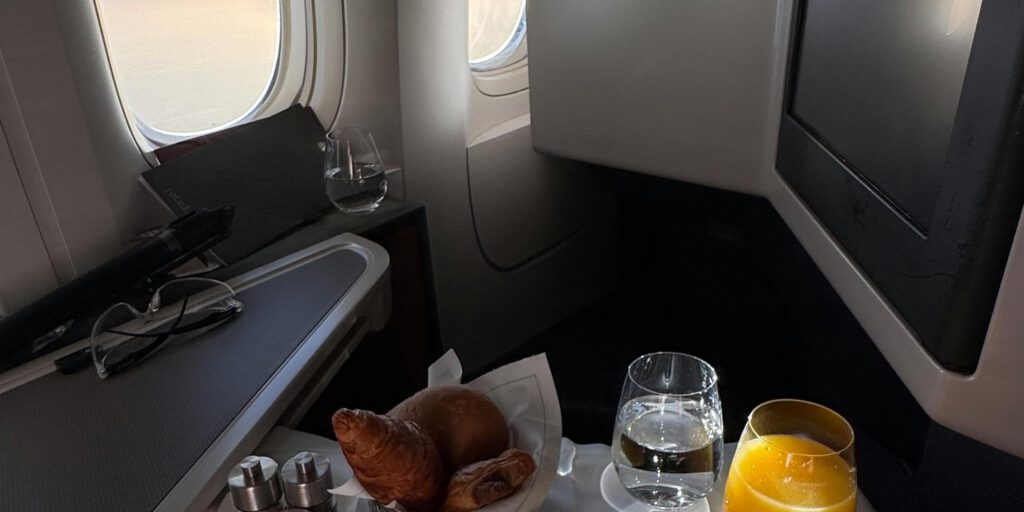
Airlines compete fiercely on premium cabin differentiation, loyalty value, and wellness features on long-haul routes. A pistachio extract jet lag concept can integrate into existing food and beverage programs, amenity kits, and branded wellness partnerships.
For overnight and ultra-long-haul flights, airlines can introduce pistachio-extract enhanced snacks, drinks, or shot formats as part of sleep kits. These “sleep aid for travel” concepts can be offered in business and first class, then extended to bundled ancillaries for economy travelers seeking better rest. Messaging can highlight natural melatonin, circadian support, and whole-food origins, avoiding pharmaceutical framing while remaining evidence-backed.
Crew can be trained to explain basic usage guidance tied to destination clock time. This gives airlines a tangible, story-rich wellness feature that complements lighting schemes, noise reduction, and bedding upgrades. Branded collaborations with pistachio extract suppliers further enhance loyalty communications and PR opportunities.
Cabin crew and pilots experience chronic circadian disruption and fatigue due to repeated time zone shifts. Internal programs can integrate pistachio extract as part of fatigue management strategies, alongside sleep hygiene training and schedule planning. Providing a natural jet lag supplement to crew supports health, safety, and employer branding goals while showcasing authenticity behind passenger-facing wellness claims.

Strategic Positioning for Hotels
Hotels increasingly build signature sleep experiences, recognizing the link between quality rest, reviews, and on-property spend. Pistachio extract offers a flexible ingredient to anchor natural sleep programs aimed at jet-lagged guests.
Jet-lag relief kits placed in rooms for long-haul arrivals can include a pistachio extract sachet, small snack pack, or drink mix. Accompanied by simple guidance on evening use relative to local time, this positions the hotel as proactive in caring for guest recovery. Upscale properties can incorporate these amenities into premium room categories or loyalty-tier benefits, driving perceived value.
Mini-bars and room service menus can feature “sleep aid for travel” options, such as pistachio extract shots, bedtime trail mixes, or warm beverages fortified with natural melatonin. Cross-promotion with spa or wellness services extends the narrative from food to full experience.
Hotels can structure multi-night sleep packages targeted at intercontinental travelers, combining pistachio extract products with blackout environments, white noise solutions, and guided relaxation content. Marketing campaigns can highlight data on melatonin and jet lag, supported by references to peer-reviewed research on melatonin’s benefits. By emphasizing natural ingredients and clinical backing, hotels differentiate their offerings from purely cosmetic “wellness” claims.

Strategic Positioning for Wellness Retreats
Wellness retreats depend on guests arriving, recovering quickly, and fully engaging with intensive programs. Jet lag directly threatens perceived transformation and satisfaction. Pistachio extract aligns tightly with retreat philosophies focused on food as medicine and circadian health.
Retreats can incorporate pistachio extract into standardized arrival protocols designed to accelerate time zone adaptation. Guests flying across continents receive a structured plan including hydration, timed light exposure, movement, and pistachio-based evening servings aligned with local bedtime. Positioning pistachio extract as a cornerstone “natural jet lag supplement” in these packages underscores scientific rigor and care.
Retreat chefs can weave pistachio-rich dishes into the first dinner menus, reinforcing the food-as-therapy storytelling. Nutrition teams can then provide one-on-one consultations explaining melatonin, circadian biology, and ongoing strategies for maintaining healthy sleep after leaving.
Education, Content, and Upsells
Workshops on sleep, chronobiology, and travel recovery can showcase pistachio extract alongside other melatonin-rich foods and lifestyle tools. Printed or digital guides supplied at checkout extend learning, featuring simple recipes and timing tips for future trips. Retreat brands may also offer take-home pistachio extract products, creating a recurring revenue stream and reinforcing the retreat’s expertise in long-term travel wellness.
Safety, Regulation, and Responsible Messaging
Any travel-focused sleep aid for travel must address safety expectations and regulatory frameworks. Melatonin has a favorable short-term safety profile in adults when used at recommended doses for jet lag and sleep onset issues. Reported side effects are usually mild and transient, such as drowsiness or headache, and appear dose-related.
Pistachios themselves are widely consumed and considered safe for most individuals, though nut allergies must be clearly accounted for in product design and communication. Products based on pistachio extract should highlight clear dosing, allergen labeling, and usage duration aligned with jet lag guidelines rather than chronic use.
Aligning with Natural and Evidence-Based Positioning
Regulators in some regions distinguish between dietary supplements and foods with added functional ingredients, requiring careful category and claim strategies. Positioning pistachio extract as a food-derived, melatonin-containing ingredient supported by published evidence keeps messaging grounded and defensible. Claims emphasizing support for normal sleep patterns, circadian alignment, and travel recovery are more sustainable than overt therapeutic promises.
For airlines, hotels, and retreats, transparent reference to reputable organizations, meta-analyses, and nutrition authorities enhances credibility. Thoughtful integration of pistachio extract within broader sleep and wellness ecosystems reinforces that this is one tool in a comprehensive jet lag management strategy, not a magic bullet.
By combining robust sleep science, the unique melatonin richness of pistachio extract, and thoughtful program design, airlines, hotels, and wellness retreats can position pistachio extract as a differentiated natural jet lag supplement and sleep aid for travel that meets modern travelers’ expectations for efficacy, transparency, and plant-based wellness. Elevate your brand with Piacio®’s pistachio extract today.
References
- PMC. (2002, April 21). Melatonin for the prevention and treatment of jet lag. https://pmc.ncbi.nlm.nih.gov/articles/PMC8958662/
- Botanic Healthcare. (2024, October 17). Natural Melatonin from Pistachio Extract: Improved Sleep and Wellness. https://www.botanichealthcare.net/news-and-blog/natural-melatonin-from-pistachio-extract-improved-sleep-and-wellness.html
- Institut Cochin. (2023, July 31). Pistachia vera: A naturally rich source of “melatonin” the sleep hormone in mammals. https://institutcochin.fr/en/news/pistachia-vera-naturally-rich-source-melatonin-sleep-hormone-mammals
- PMC. (2017, April 6). Dietary Sources and Bioactivities of Melatonin. https://pmc.ncbi.nlm.nih.gov/articles/PMC5409706/
- PHCOG Research. (2021, May 31). Evaluation of Pistachio Extract Standardized to 1% Melatonin on Sleep Enhancement. https://www.phcogres.com/article/2025/17/2/105530pres20252094
- ScienceDirect. (2024). Comprehensive review of melatonin as a promising … https://www.sciencedirect.com/science/article/pii/S2405844024002974
- PR Newswire. (2019, August 8). Study Finds American Grown Pistachios Contain Melatonin. https://www.prnewswire.com/news-releases/study-finds-american-grown-pistachios-contain-melatonin-300899264.html
- APCZ. (2025, February 4). Non-trivial uses of melatonin: Its effects on sleep, jet lag, obesity … https://apcz.umk.pl/JEHS/article/view/57497
- NutritionFacts.org. (2023, August 22). Melatonin Supplements and Treating Jet Lag Naturally. https://nutritionfacts.org/audio/more-on-melatonin/
- PMC. (2023, June 27). Pistacia vera Extract Potentiates the Effect of Melatonin on Human … https://pmc.ncbi.nlm.nih.gov/articles/PMC10386454/
- NutritionFacts.org. (2024, May 2). How to Treat Jet Lag with Melatonin-Rich Food. https://nutritionfacts.org/video/how-to-treat-jet-lag-with-melatonin-rich-food/
- PubMed. (2001, December 31). Melatonin for the prevention and treatment of jet lag. https://pubmed.ncbi.nlm.nih.gov/12076414/
- NutritionFacts.org. (2023, August 22). More on Melatonin. https://nutritionfacts.org/audio/more-on-melatonin/
- PHCOG Research. (2021, May 31). Evaluation of Pistachio Extract Standardized to 1% Melatonin on Sleep Enhancement. https://www.phcogres.com/article/2025/17/2/105530pres20252094
- PMC. (2021, September 30). Plant-based snacking: research and practical applications of … https://pmc.ncbi.nlm.nih.gov/articles/PMC8532077/
- PR Newswire. (2019, August 8). Study Finds American Grown Pistachios Contain Melatonin. https://www.prnewswire.com/news-releases/study-finds-american-grown-pistachios-contain-melatonin-300899264.html
- MedicineNet. (2023, January 12). Can You Get Melatonin From Pistachios Vs. a Supplement? https://www.medicinenet.com/can_you_get_melatonin_from_pistachios/article.html
- PHCOG Research. (2021, May 31). Evaluation of Pistachio Extract Standardized to 1% Melatonin on Sleep Enhancement. https://www.phcogres.com/article/2025/17/2/105530pres20252094
- KleeMus Deutschland. (2025, January 19). Piacio® – Pistachio Extract. https://kleedeutschland.de/language/en/piacio/
- NutraIngredients.com. (2025, October 13). Prosomnial pistachio extract gummy as effective as synthetic melatonin. https://www.nutraingredients.com/Article/2025/10/14/prosomnial-pistachio-extract-gummy-as-effective-as-synthetic-melatonin/
- PMC. (2021, September 30). Plant-based snacking: research and practical applications of … https://pmc.ncbi.nlm.nih.gov/articles/PMC8532077/
- Nutrition Reviews. (2025, May 25). Dietary Protocols to Promote and Improve Restful Sleep. https://academic.oup.com/nutritionreviews/advance-article/doi/10.1093/nutrit/nuaf062/8149210
- Botanic Healthcare. (2024, October 17). Natural Melatonin from Pistachio Extract: Improved Sleep and Wellness. https://www.botanichealthcare.net/news-and-blog/natural-melatonin-from-pistachio-extract-improved-sleep-and-wellness.html
- APCZ. (2025, February 4). Non-trivial uses of melatonin: Its effects on sleep, jet lag, obesity … https://apcz.umk.pl/JEHS/article/view/57497
- Network Nutrition. (2023, February 28). Prosomnial. https://www.networknutrition.com/products/prosomnial/
- Network Nutrition. (2023, February 28). Prosomnial. https://www.networknutrition.com/products/prosomnial/
- EBSCO. (2020, January 2). Natural treatments for jet lag | Research Starters. https://www.ebsco.com/research-starters/complementary-and-alternative-medicine/natural-treatments-jet-lag
Leave a Reply