
Why pistachio extract is entering the sleep arena
Pistachio extract is emerging as a novel, high-melatonin botanical contender in the global sleep support market. Traditional herbs like chamomile, valerian, and ashwagandha still dominate, supported by decades of empirical and clinical use. A side by side review highlights different mechanisms, strengths, and sourcing realities in real world product development.
How plant based sleep aids work
Plant based sleep aids typically act by modulating melatonin, GABAergic signaling, stress hormones, and anxiety related pathways. Pistachio extract stands out as a direct melatonin source, while chamomile, valerian, and ashwagandha mainly influence neurotransmission. These distinct routes matter for matching each ingredient to specific consumer needs and product positionings.
Pistachio extract: a melatonin rich newcomer
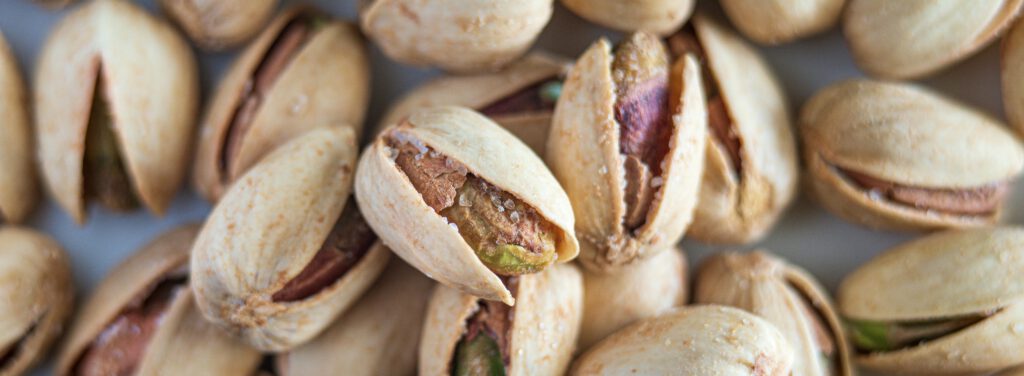
Pistachio kernels contain measurable melatonin, with analyses suggesting particularly high levels compared with many other foods. Recent work on pistachio extract reported around 5 milligrams melatonin per gram of extract, a pharmacologically relevant concentration. This density means only 0.5 to 1 gram of extract may deliver a typical supplemental melatonin dose for sleep support.
Beyond melatonin, pistachios provide tryptophan, vitamin B6, magnesium, and polyphenols that may support relaxation and sleep quality. Tree nut profiling shows pistachios carry notable phenolic compounds and antioxidant activity, potentially complementing melatonin signaling. Together, these nutrients may position pistachio extract as both a hormonal and neuro nutritional sleep support ingredient.
Human trials on pistachio extract as a dedicated sleep aid remain limited, with most data extrapolated from melatonin content measurements. Experimental work demonstrates high affinity binding of pistachio extract to melatonin receptors and downstream signaling activation. These findings suggest mechanistic plausibility, though controlled clinical sleep outcome studies are still needed for substantiation.
Pistachios are widely consumed foods, generally recognized as safe, apart from typical nut allergy concerns in susceptible individuals. Melatonin itself is considered relatively safe at typical supplemental doses, though long term high dose use requires careful evaluation. Pistachio extract developers must still generate toxicology, allergen, and interaction data to support regulated supplement applications.
Chamomile: gentle sedative with apigenin
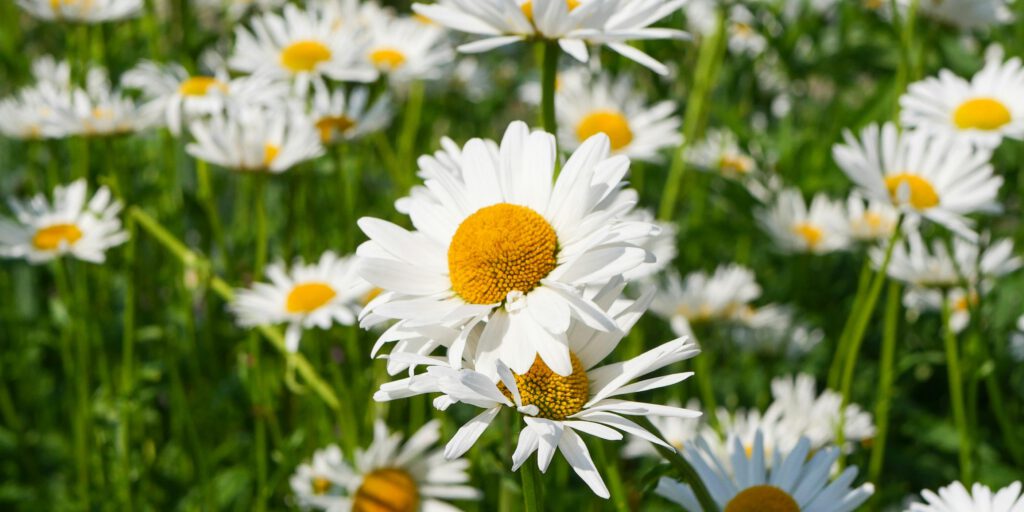
Chamomile is one of the most traditional herbal teas used worldwide for relaxation and mild sleep complaints. Its primary sleep related bioactive, apigenin, binds to benzodiazepine receptors and exerts modest sedative and anxiolytic effects. Clinical data suggest benefits for sleep quality and anxiety, although results for frank insomnia remain inconsistent.
Systematic reviews indicate chamomile may improve subjective sleep quality and generalized anxiety, with weaker evidence for insomnia severity. Some controlled trials report better sleep scores in older adults or anxious individuals using chamomile extracts versus placebo. However, effect sizes are generally small, and response appears more robust in stress related sleep disturbance than chronic insomnia.
Chamomile is typically well tolerated at tea or standardized extract doses used in clinical research. The main concern involves allergic reactions in individuals sensitive to ragweed, chrysanthemums, marigolds, or related Asteraceae plants. Chamomile is therefore viewed as a gentle, entry level botanical for relaxation focused formulations and bedtime teas.
Valerian root: classic GABAergic sedative
Valerian root is among the most researched plant based sleep aids, often used for difficulty initiating sleep and nighttime restlessness. Its proposed mechanism centers on enhancing GABA signaling, thereby reducing neuronal excitability and promoting relaxation. Meta analyses describe moderate evidence for improved sleep quality and latency, though heterogeneity across trials remains high.
Systematic reviews show valerian can reduce sleep latency and improve total sleep time and perceived sleep quality in some populations. Benefits often emerge after several weeks of continuous use, consistent with a gradual neuromodulatory rather than immediate hypnotic effect. Nevertheless, contradictory findings and varied extract preparations complicate generalized efficacy claims and regulatory positioning.
Valerian is generally considered safe, but adverse events include dizziness, gastrointestinal discomfort, headache, and next day drowsiness. There are rare reports of hepatotoxicity and cardiac irregularities, prompting caution in vulnerable patients and with polypharmacy. Guidelines usually recommend avoiding valerian with other sedatives, alcohol, or when operating machinery soon after dosing.
Ashwagandha: adaptogen for stress linked insomnia
Ashwagandha has gained attention as an adaptogenic herb targeting stress, anxiety, and related sleep disturbances. Clinical trials indicate standardized root extracts can improve insomnia scores, sleep quality, and sleep onset latency in stressed adults. Its actions appear to involve modulation of GABAergic and serotonergic systems, plus attenuation of hypothalamic pituitary adrenal axis activity.
Randomized controlled trials report improved subjective sleep quality and reduced sleep onset latency with ashwagandha versus placebo. Benefits often appear alongside reductions in anxiety and stress biomarkers, supporting its dual positioning as anxiolytic sleep support. Data quality is improving, yet more large, independent trials are still required for robust health claim substantiation.
Ashwagandha is usually well tolerated, though gastrointestinal discomfort and mild drowsiness can occur at higher doses. Concerns exist around use in pregnancy, autoimmune conditions, and with thyroid medications because of possible hormonal interactions. Regulatory scrutiny has increased in some markets, emphasizing the need for standardized extracts and conservative dosing recommendations.
Head to head efficacy: pistachio versus legacy botanicals
Valerian and ashwagandha currently hold the strongest clinical evidence bases among the compared botanicals for insomnia related endpoints. Chamomile shows clearer benefits for mild sleep disturbance and anxiety, with weaker data for chronic insomnia measures. Pistachio extract offers compelling melatonin based mechanistic plausibility, but still lacks direct, large scale sleep clinical trials.
| Aspect | Pistachio extract | Chamomile | Valerian | Ashwagandha |
| Primary sleep mechanism | Direct melatonin supply supporting circadian rhythm and sleep onset timing. | Apigenin and flavonoids with mild GABAergic and anxiolytic actions. | Valerenic acids and related compounds enhance GABA signaling and reduce neuronal excitability. | Withanolides modulating GABA, serotonin, and stress hormone pathways. |
| Main bioactive compounds | Melatonin, tryptophan, vitamin B6, magnesium, and polyphenols. | Apigenin, luteolin, and other flavonoids. | Valerenic acids, valepotriates, and other iridoids. | Withanolides and related steroidal lactones. |
| Evidence for insomnia endpoints | Strong mechanistic rationale from melatonin content, but few direct human sleep trials yet. | Some trials show improved sleep quality and anxiety, limited impact on chronic insomnia severity. | Multiple trials and reviews suggest benefits for sleep latency and quality, though results are heterogeneous. | Randomized trials show improved sleep quality and latency, especially in stressed or anxious adults. |
| Best suited use cases | Circadian support, sleep onset, and markets seeking plant derived melatonin alternatives. | Mild sleep disturbance, pre bed relaxation, and anxiety related restlessness. | Difficulty falling asleep and nighttime restlessness requiring stronger sedative support. | Stress related insomnia, poor sleep quality, and recovery focused positioning. |
| Safety considerations | Food status supports safety, but nut allergy risk and melatonin dosing need evaluation. | Generally well tolerated; caution in people with Asteraceae allergies. | Possible dizziness, headache, gastrointestinal upset, and rare liver concerns. | Usually tolerated, but caution in pregnancy, thyroid disease, and autoimmune conditions. |
| Bulk sourcing and standardization | Large scale nut agriculture and clear melatonin standardization, but cultivar variability needs control. | Established herbal supply chains and pharmacopoeial standards for apigenin rich extracts. | Mature medicinal crop chains and monographs defining key markers. | Rapidly expanding cultivation with growing emphasis on standardized withanolide content. |
Cost, positioning, and market differentiation
Traditional botanicals benefit from strong consumer familiarity and price transparency in tea and capsule formats. Pistachio extract offers branding novelty, science backed melatonin content, and potential premium positioning in functional sleep products. Brands must weigh ingredient costs, dosage levels, claim substantiation, and differentiation needs when selecting sleep actives.
Formulation strategy: when pistachio extract makes sense
Pistachio extract is strategically appealing when brands seek a plant derived melatonin source with additional nutritional factors. It fits concepts around circadian alignment, jet lag support, and rapid sleep onset alongside holistic nut based wellness stories. For regulatory sensitive markets restricting synthetic melatonin, pistachio extract may provide a compelling botanical workaround, pending guidance.
In contrast, valerian and chamomile remain strong candidates for calming, bedtime rituals, and long tradition based marketing narratives. Ashwagandha suits stress resilience, burnout, and daytime performance plus nighttime recovery positioning. Blends can be tailored, for example pistachio extract plus ashwagandha for stress related sleep onset difficulties.
So, is pistachio extract the best plant based sleep aid?
Current human data still favor valerian and ashwagandha for documented insomnia improvements and anxiety linked sleep disturbances. Chamomile remains a trusted mild option for relaxation and sleep quality with excellent tolerability for broad consumer segments. Pistachio extract stands out mechanistically through rich melatonin content but awaits robust clinical trials before claiming overall superiority.
From a formulation perspective, pistachio extract is highly promising as a plant derived melatonin source with added nutritional benefits. It is best viewed not as a singular winner, but as a powerful addition to the botanical sleep toolkit. Its ultimate ranking will depend on forthcoming head to head trials, regulatory acceptance, and cost effective large scale standardization.
References
- American Pistachio Growers. (2019). Study finds American grown pistachios contain melatonin. Retrieved from https://americanpistachios.org
- Bent, S., et al. (2006). The efficacy of chamomile in treating sleep and anxiety conditions: A review. Journal of Clinical Psychopharmacology.
- Choudhary, D., et al. (2017). Efficacy and safety of ashwagandha for improving sleep in adults. Cureus.
- Dimpfel, W., & Suter, A. (2008). Sleep improving effects of valerian and hop. Phytomedicine.
- Fernandez-San-Martin, M. I., et al. (2010). Valerian for sleep: A systematic review and meta analysis. Sleep Medicine.
- Healthline. (2021, May 6). Do pistachios really contain melatonin? Retrieved from https://www.healthline.com
- Jockers, R., et al. (2023). Pistacia vera as a naturally rich source of melatonin. Institut Cochin report.
- Langade, D., et al. (2019). Efficacy and safety of ashwagandha in insomnia and anxiety. Cureus.
- Maroo, J., et al. (2013). A herbal combination of valerian, passionflower, and hop for insomnia. Journal of Herbal Pharmacotherapy.
- Nuts for Life. (2024, July 14). Can nuts help me sleep? Retrieved from https://www.nutsforlife.com.au
- Paroni, R., et al. (2019). Bioactive phytochemicals of tree nuts: Determination of melatonin in nuts. Journal of Functional Foods.
- Sleep Foundation. (2025, July 14). Natural sleep aids: Which are the most effective? Retrieved from https://www.sleepfoundation.org
- Vaillant, J., et al. (2020). Plant extracts for sleep disturbances: A systematic review. Evidence Based Complementary and Alternative Medicine.
- VA Whole Health Library. (2018, August 13). Botanical medicines to support healthy sleep and rest. Retrieved from https://www.va.govn
- Yoon, H. S., et al. (2021). Herbal medicines and botanicals for managing insomnia and stress. Journal of Herbal Medicine.
- Zick, S. M., et al. (2011). Chamomile for generalized anxiety disorder and sleep quality: A randomized trial. Journal of Clinical Psychopharmacology.
- Zisapel, N. (2024). Herbal and natural supplements for improving sleep: A literature review. Nutrients.
Leave a Reply