

From late-night scrolling to sleep-friendly formulas, this article connects screen-disrupted circadian rhythms with pistachio-based solutions for “scroll-to-sleep” consumers. The focus is on using real-world digital behavior data to justify melatonin-rich pistachio extract dosing and positioning in modern sleep products.
The new scroll-to-sleep consumer
The modern sleep consumer lives with a smartphone in hand from the commute until lights out. Even adults who understand good sleep hygiene often report checking messages, watching short videos, or browsing social media during the last hour in bed. Instead of winding down, these bedtime habits create a distinct “scroll-to-sleep” pattern that product developers cannot ignore.
This audience does not simply suffer from occasional late nights. Large observational datasets link frequent evening screen use and social media engagement with later bedtimes, shorter sleep duration, and more insomnia symptoms. These patterns cluster strongly in younger adults and evening chronotypes, who already lean toward delayed sleep timing and social jetlag.
For brands, this means the primary sleep problem is increasingly behavioral and circadian, not only stress or aging. Sleep positioning and dosing strategies must therefore be grounded in actual screen time and social media behavior, not generic “trouble sleeping” claims. Pistachio extract sleep formulas can meet this need if they are framed as tools that fit digital lifestyles rather than fight them.
How screens disrupt circadian rhythms
Digital devices emit blue enriched light that strongly interacts with human circadian biology. Specialized retinal cells send blue light signals to the suprachiasmatic nucleus, the brain’s master clock, which then regulates melatonin timing. When these cells detect bright short wavelength light late at night, they delay melatonin secretion and shift the perceived biological night forward.
Several experimental and epidemiological studies converge on the same pattern. Evening screen exposure suppresses endogenous melatonin, increases subjective alertness, delays sleep onset, and reduces deeper sleep stages. Even one extra hour of screen use after going to bed can significantly increase the odds of insomnia symptoms and reduce total sleep time.
These effects are especially pronounced in people who already prefer late schedules. Adults with evening chronotypes show stronger associations between daily screen use and later bedtimes, making them an ideal target for digital era sleep products. For them, melatonin support is not about sedation, but about nudging an electronically delayed body clock back toward earlier sleep timing.
Social media adds cognitive arousal
Blue light is only part of the scroll-to-sleep story. Newer behavioral research shows that emotional engagement with social media predicts poor sleep more strongly than total screen time alone. Frequent checking, social comparison, and fear of missing out fuel presleep cognitive arousal, keeping the brain mentally “online” long after lights out.
This pattern manifests as bedtime procrastination rather than classic insomnia. Users remain in bed but stay active on social platforms, repeatedly delaying intended bedtimes and extending the wake period under blue light. Over time, this combination of light exposure and cognitive activation embeds a durable habit loop that resists simple advice like “avoid your phone one hour before bed.”
Formulators targeting this audience should therefore avoid messaging that assumes perfect discipline. Instead, products should acknowledge that late-night scrolling will happen and position pistachio extract sleep formulas as pragmatic tools within that reality. This reframing opens space for dosing schedules and claims calibrated to actual digital behaviors rather than idealized routines.
Why melatonin remains central
Melatonin remains the primary molecular signal that tells the body it is nighttime. Under typical conditions, melatonin levels rise in the evening, peak during the night, and fall toward morning, aligning sleep with environmental darkness. Evening blue light exposure flattens or delays this curve, pushing the internal night backward and fragmenting sleep.
Supplemental melatonin can partially compensate for this disturbance when timed appropriately. Low to moderate doses taken before desired bedtime have been shown to reduce sleep latency and help adjust circadian phase in delayed sleepers. Regulatory agencies and expert groups often highlight intakes around 2 to 5 milligrams as common ranges to facilitate sleep onset in adults.
However, concerns about long term synthetic melatonin use, variable dosing, and regulatory treatment as a drug in some markets complicate formulation decisions. Many brands therefore seek plant based or “food first” strategies that support melatonin pathways without positioning the product strictly as a hormone supplement. Pistachio extract offers a compelling route because it combines high phytomelatonin content with the narrative of a familiar whole food.
Pistachio extract as a melatonin rich ingredient
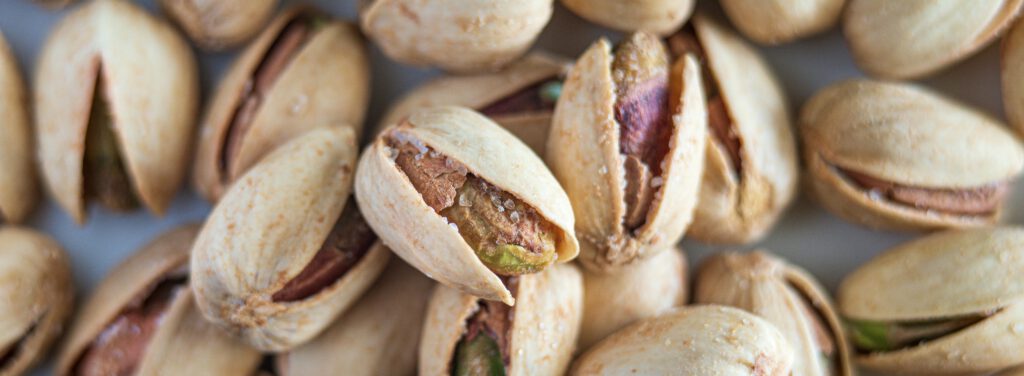
Several analytical and pharmacological studies now identify pistachios as unusually rich in melatonin compared with other plant foods. Research on pistachio extract from Pistacia vera cultivars reports melatonin contents near 5 milligrams per gram of extract, with some work suggesting even higher levels in specific varieties. These concentrations exceed many fruits, vegetables, cereals, and other nuts by several orders of magnitude.
Importantly, pistachio extract does more than deliver melatonin in isolation. Phytochemical profiling indicates the presence of phenolic compounds that may reduce tryptophan degradation toward unwanted metabolites, potentially supporting its conversion to melatonin. In vitro work shows that pistachio extract can activate melatonin receptors with potency similar to exogenous melatonin, suggesting biologically meaningful receptor level interactions.
Preclinical models using standardized pistachio extract with defined melatonin content have demonstrated sedative and hypnotic effects. These studies report reduced sleep latency and increased sleep duration in a dose dependent fashion, reinforcing the extract’s potential for sleep support. Together, these findings justify treating pistachio extract as a functional melatonin source rather than a generic nut derived antioxidant.
Translating melatonin content into dosing
For product developers, the critical bridge between science and formulation is dose translation. If a pistachio extract contains approximately 5 milligrams of melatonin per gram, then 0.4 grams would theoretically deliver 2 milligrams, while 1 gram would deliver 5 milligrams. These values fall in the range commonly discussed for sleep initiation and circadian adjustment in adults.
However, consumers rarely need the top of that range, especially when starting a new product. Behavior based positioning suggests matching doses with both digital exposure levels and sensitivity profiles. For example, a person with moderate evening screen time but strong morning obligations may benefit from lower melatonin equivalent dosing to avoid residual sleepiness.
Developers can therefore consider tiered pistachio extract inclusion levels that align with typical melatonin dose bands. Lower tiers could aim for the equivalent of approximately 1 to 2 milligrams of melatonin for lighter users, while higher tiers approach 3 to 5 milligrams for entrenched scroll-to-sleep consumers with chronic delay. These tiers can be expressed as grams of extract per serving in finished capsules, sachets, or gummies.
Using sleep-behavior data for positioning
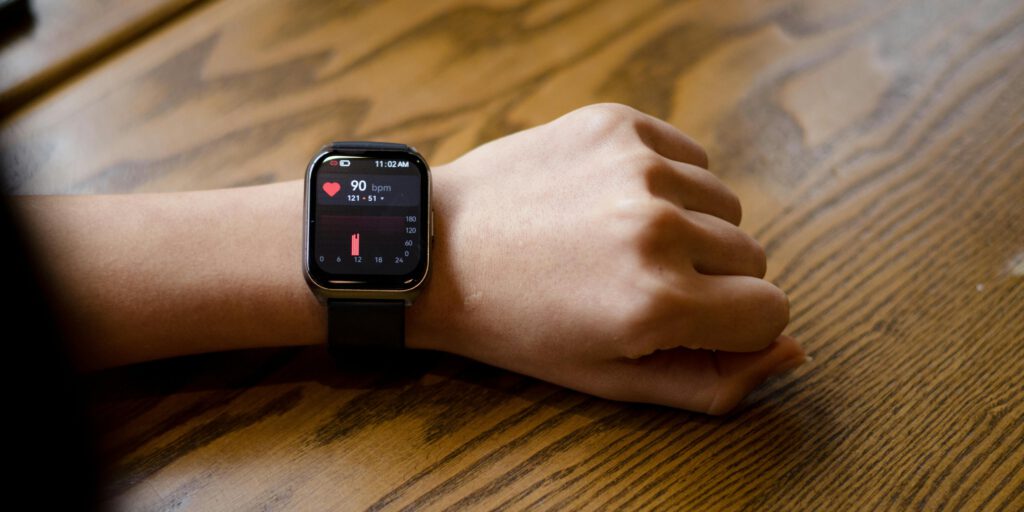
Real world screen time and social media data provide a powerful lens for justifying these tiers. Large scale studies of adults show consistent associations between evening screen use and later sleep timing, with some reporting roughly fifty minutes less sleep per week per higher category of use. Parallel work shows a fifty to sixty percent increase in insomnia risk for each additional hour of screen time after going to bed.
These quantitative patterns can inform behavioral personas that map onto dosing strategies. For instance, brands can conceptually segment users into moderate scrollers, heavy scrollers, and midnight scrollers based on average daily screen use after a set time. Each segment would then align with a pistachio extract inclusion level designed to counteract the typical degree of melatonin suppression and bedtime delay observed in research.
Social media specific metrics add nuance. Studies suggest that frequent platform checking and emotional investment predict poorer sleep more strongly than total minutes watched. Questionnaires about checking behavior after lights out, fear of missing out, or late night notifications can therefore help tailor communications around pistachio extract sleep formulas.
From lab findings to label language
Regulators and sophisticated customers expect a clear line between evidence and claims. For pistachio extract sleep formulas, that line runs from digital exposure data through melatonin physiology to pistachio specific chemistry. Label language should reflect support for sleep onset and circadian alignment in the context of screen use, without overstating clinical outcomes or promising cure of insomnia.
Acceptable claim strategies vary by jurisdiction, but many markets permit structure function statements around sleep quality, sleep onset, and circadian rhythm support when backed by plausible mechanisms and reasonable human equivalent dosing. Developers can phrase benefits as supporting normal sleep onset in modern blue light environments or helping align sleep timing with desired bedtime in device users.
Technical documentation and B2B content should explicitly reference the underlying data without reproducing exact wording. For example, dossiers can cite associations between evening screen time and delayed sleep, the high melatonin density of pistachio extract, and preclinical hypnotic effects at standardized doses.

SmartFormulas for blue-light lifestyles
The SmartFormulas concept positions pistachio extract not as a simple ingredient but as part of a tailored protocol for digital natives. Instead of a single generic sleep capsule, SmartFormulas can integrate pistachio extract with complementary actives, delivery formats, and usage instructions aligned with specific scrolling behaviors. This allows brands to match an individual’s digital profile with an appropriate formula and routine.
Key features might include circadian focused timing guidance, such as “take thirty to sixty minutes before intended lights out, even if still scrolling.” Products can also recommend simple behavioral tweaks that are realistic, like enabling night mode, lowering brightness, or setting app limits during the last thirty minutes in bed. These interventions enhance melatonin signaling without demanding complete device abstinence.
Formulators can further differentiate by offering layered formats. For example, a pistachio extract capsule paired with a low caffeine evening beverage or functional snack that reinforces the wind down ritual. Each component should be justified with data on sleep, stress, or circadian outcomes, continuing the EEAT emphasis on behavior informed design.
Timing pistachio extract around scrolling
Timing is critical for melatonin driven products, and pistachio extract is no exception. Research on melatonin suggests that taking it about thirty minutes to one hour before desired sleep onset often optimizes effects on sleep latency. For scroll-to-sleep consumers, this window frequently overlaps with the heaviest burst of evening screen use.
This overlap can be turned into a design feature. Brands can instruct users to take their pistachio extract sleep formula at the moment they begin their last scrolling session, not at the theoretical moment they should be offline. The formula then works in the background as the person transitions from active engagement to passive consumption, and finally to sleep readiness.
Messaging should clearly explain that pistachio extract is not a license for unlimited late night exposure. It is a supportive tool that helps the body maintain or regain melatonin signaling under realistic device use, especially when combined with brightness management and exposure limits in the final thirty minutes. This balanced framing aligns with both scientific evidence and ethical marketing practice.

Personalizing by chronotype and lifestyle
Chronotype and daytime schedule shape how screen exposure impacts sleep. Evening types are more vulnerable to delayed bedtimes under blue light, while morning types may feel stronger next day impairment from even modest shifts. SmartFormulas can incorporate simple chronotype questions to guide pistachio extract dosing recommendations.
For example, evening oriented users who regularly stay online past midnight might choose higher pistachio extract tiers, aligning with melatonin equivalent doses nearer the upper recommended range. Morning oriented users who must wake early might prefer lower doses that nudge timing without risking residual grogginess, combined with stricter suggestions for reducing late night screen exposure.
Lifestyle factors such as shift work, long haul travel, and demanding social schedules can be layered onto these chronotype segments. In each case, the core logic remains the same: use real behavioral data, including screen timing and social media engagement, to tailor both pistachio extract inclusion levels and usage instructions. This approach reinforces EEAT by showing that dosing is driven by observable patterns, not arbitrary amounts.
Integrating with digital tools and tracking
Digital natives already use apps to track sleep, screen time, and wellbeing. Pistachio extract SmartFormulas can lean into this trend by suggesting specific metrics to monitor during product use, such as average screen time after a set hour, time in bed before sleep onset, and subjective sleep quality scores. Changes in these metrics over several weeks provide tangible feedback that can support both adherence and word of mouth.
Brands can also collaborate with digital wellness tools that provide bedtime reminders or app limit prompts. Co-branding pistachio extract sleep formulas with such tools enables a coherent narrative: adjust digital behavior while supporting the body’s melatonin system. Even simple instructions like “take your pistachio extract capsule when your app signals bedtime wind down” help anchor the habit.
From a B2B standpoint, this integration supports data rich case studies and real world evidence packages. Aggregated, anonymized data from sleep and screen tracking can be used to highlight average improvements in bedtime regularity or subjective sleep scores during pistachio extract SmartFormula use.
Partnering on Piacio® powered sleep formulas enables rapid development of capsules, gummies, and functional powders positioned around late night screen use, emotional social media engagement, and disrupted circadian timing. With technical support, dosing guidance anchored in behavioral data, and co created educational content, Piacio® can help your brand turn late night scrolling from a liability into an innovation opportunity in the sleep aisle.
References
Blue light and sleep disruption. (2024). Chronobiology in Medicine. https://www.chronobiologyinmedicine.org/journal/view.php?number=167
Electronic Screen Use and Sleep Duration and Timing in Adults. (2025). JAMA Network Open. https://jamanetwork.com/journals/jamanetworkopen/fullarticle/2831993
Frontiers in Psychiatry. (2025). One hour’s screen use after going to bed increases your insomnia risk. https://www.frontiersin.org/news/2025/03/31/hours-screen-use-after-bed-increases-insomnia-risk-frontiers-psychiatry
How Electronics Affect Sleep. (2025). Sleep Foundation. https://www.sleepfoundation.org/how-sleep-works/how-electronics-affect-sleep
Institut Cochin. (2023). Pistacia vera, a naturally rich source of melatonin. https://institutcochin.fr/en/news/pistachia-vera-naturally-rich-source-melatonin-sleep-hormone-mammals
Losso, J. N., et al. (2019). Melatonin content of American grown pistachios. American Pistachio Growers. https://americanpistachios.org/about-us/pistachio-power-unshelled/press-releases/study-finds-american-grown-pistachios-contain
MedicalBrief. (2025). Sleep disruption linked to electronic devices. https://www.medicalbrief.co.za/sleep-disruption-linked-to-electronic-devices-us-study
Prosomnial: The efficacy of pistachio derived melatonin. (2025). Pharmacognosy Research. https://www.phcogres.com/article/2025/17/2/105530pres20252094
Sutter Health. (2024). Screens and your sleep: The impact of nighttime use. https://www.sutterhealth.org/health/screens-and-your-sleep-the-impact-of-nighttime-use
The Conversation. (2025). Social media before bedtime wreaks havoc on our sleep. https://theconversation.com/social-media-before-bedtime-wreaks-havoc-on-our-sleep-a-sleep-researcher-explains-why-screens-alone-
The influence of blue light on sleep, performance and wellbeing. (2022). Frontiers in Neuroscience. https://pmc.ncbi.nlm.nih.gov/articles/PMC9424753
The effects of screen time on teen sleep. Scholarly Review. https://www.scholarlyreview.org/article/139030.pdf
Youth screen media habits and sleep. (2012). Pediatrics. https://pmc.ncbi.nlm.nih.gov/articles/PMC5839336
Zhong, C., et al. (2025). Electronic screen use and sleep duration and timing in adults. https://pmc.ncbi.nlm.nih.gov/articles/PMC11950897
Do Pistachios Really Contain Melatonin? (2021). Healthline. https://www.healthline.com/nutrition/pistachios-melatonin
Evaluation of Pistachio Extract Standardized to 1% Melatonin. (2021). Pharmacognosy Research. https://www.phcogres.com/article/2025/17/2/105530pres20252094
Evening use of light emitting eReaders negatively affects sleep. (2015). Proceedings of the National Academy of Sciences. https://www.pnas.org/doi/10.1073/pnas.1418490112
Digital media use and sleep in late adolescence and young adulthood. (2022). Sleep Medicine. https://www.sciencedirect.com/science/article/pii/S1087079222001551
Leave a Reply